Key facts
- Indonesia's energy minister said gas supply to Singapore had been trimmed and that "so-called brothers and sisters" should not lecture Indonesia on contracts.
- Syahganda Nainggolan said Jakarta still seeks close ties with Singapore and the gas cuts stemmed from domestic supply needs.
- Singapore summoned representatives of companies suspected of having fires on their plantations in Indonesia.
- Prabowo's approval rating fell to 44.5% this month from 81.2% late last year, according to one survey.
- Singapore is Indonesia's largest source of foreign direct investment at $17.4 billion last year.
Indonesia's government has sharpened its rhetoric toward Singapore as it faces criticism over welfare programs, market regulation and wildfires that blanketed the region in haze, Reuters reported on October 30. Singapore has been a particular target: Indonesian officials warned pilgrims to avoid transiting through the city-state, and Jakarta trimmed gas supply to Singapore.
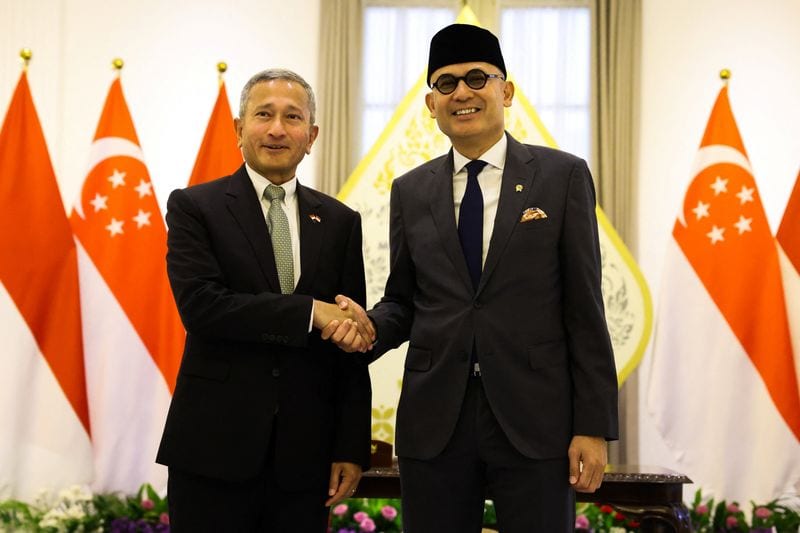
Indonesia's energy minister said "so-called brothers and sisters" should not lecture Indonesia on honoring contracts. Syahganda Nainggolan, chief of the Indonesian government's communications office, told Reuters that Jakarta continues to seek close relations with Singapore and that a visit by Singapore's foreign minister proved relations were not strained. He said the gas cuts were due to domestic supply considerations and only "coincided with a seemingly tense situation."
Singapore played down the spat, and its foreign minister, Vivian Balakrishnan, told media on Wednesday that "differences are to be expected." Singapore also summoned representatives of companies suspected of having fires on their plantations in Indonesia. Protests occurred in several Indonesian cities over the government's response to the fires.
President Prabowo Subianto has pushed back against international criticism, including a downgrade threat from index provider MSCI that sent Indonesia's markets into turmoil. A former Indonesian official blamed Singapore sovereign wealth funds for a role in the MSCI pressure but offered no evidence, and the funds denied any involvement. Prabowo's approval rating fell to 44.5% this month from 81.2% late last year, according to one survey.
Yohanes Sulaiman of Universitas Jenderal Achmad Yani said the nationalistic rhetoric would likely last as long as Indonesia's problems do, adding: "The intensity is pushed to 11 under this administration." Former Indonesian ambassador to Singapore Suryo Pratomo said ministers' comments were immediate reactions and not administration policy. Analyst Dewi Fortuna Anwar called it "a storm in a teacup" but noted "prickly nationalism." Singapore is Indonesia's largest source of foreign direct investment at $17.4 billion last year.