Indonesia battles wildfires as dry season fuels new threats
IN SHORT
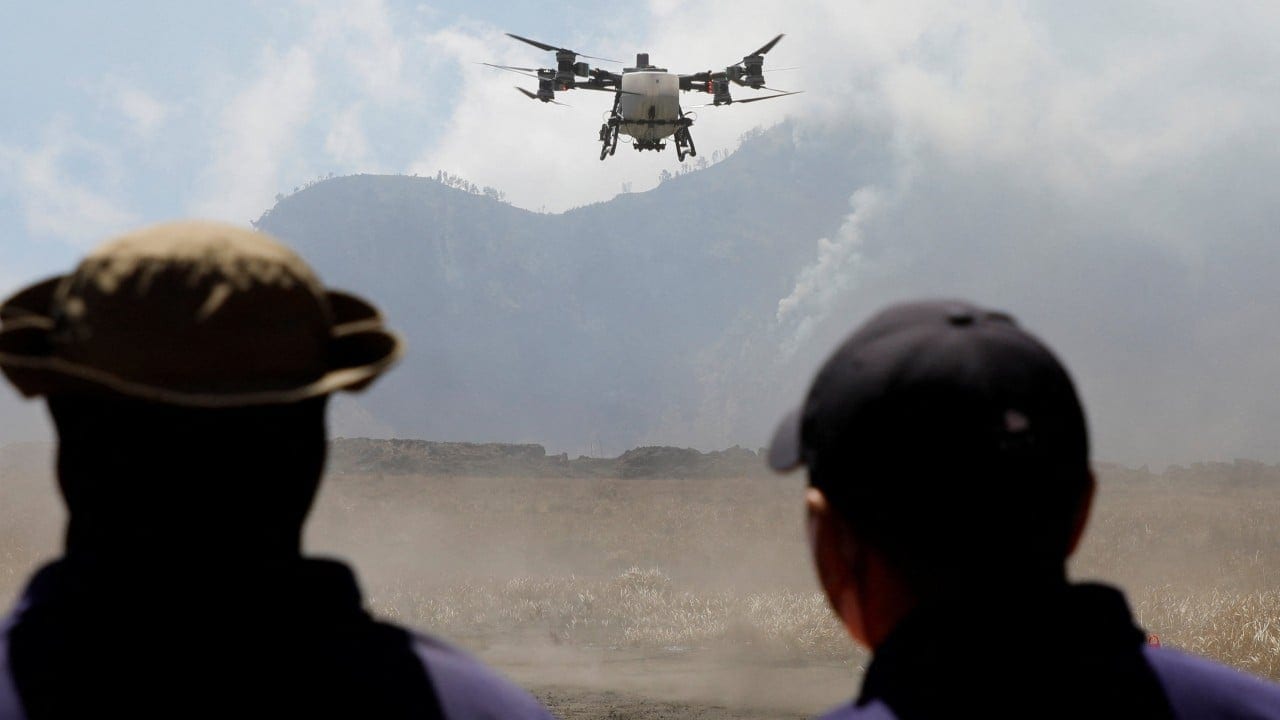
Indonesia is intensifying efforts to combat growing wildfires across the archipelago, with blazes spreading through a popular national park and peatlands during an unusually dry season. The Mount Bromo fire has been extinguished, but authorities are on alert for new outbreaks.
Key Numbers
743 hectaresarea scorched in Bromo park fire
1,836 acresarea scorched in Bromo park fire
50 hectarespeatland burned in Jambi province
124 acrespeatland burned in Jambi province
3helicopters deployed for water-bombing
300firefighters and disaster personnel in Jambi
Who's Involved
Mount Bromo
Indonesian volcano site of a wildfire
Raja Juli Antoni
Indonesia's Forestry Minister
↳ Why This Matters
The widespread wildfires pose a significant threat to Indonesia's natural landscapes, tourism, air quality, and agricultural land, exacerbated by dry conditions and El Nino, potentially impacting regional haze and highlighting the challenges of land management.