Key facts
- Environment Minister Jumhur Hidayat outlined six priority areas for Indonesia's COP31 negotiations, including accelerating the energy transition and securing climate financing.
Indonesia's environment minister defended the country's climate commitments on November 5, 2026, less than a week before the COP31 summit opens in Turkey, as record-breaking wildfire emissions threaten a key part of its climate strategy. Jumhur Hidayat outlined six negotiating priorities, including accelerating the energy transition and securing climate financing, while saying climate ambitions should not come at the expense of development.
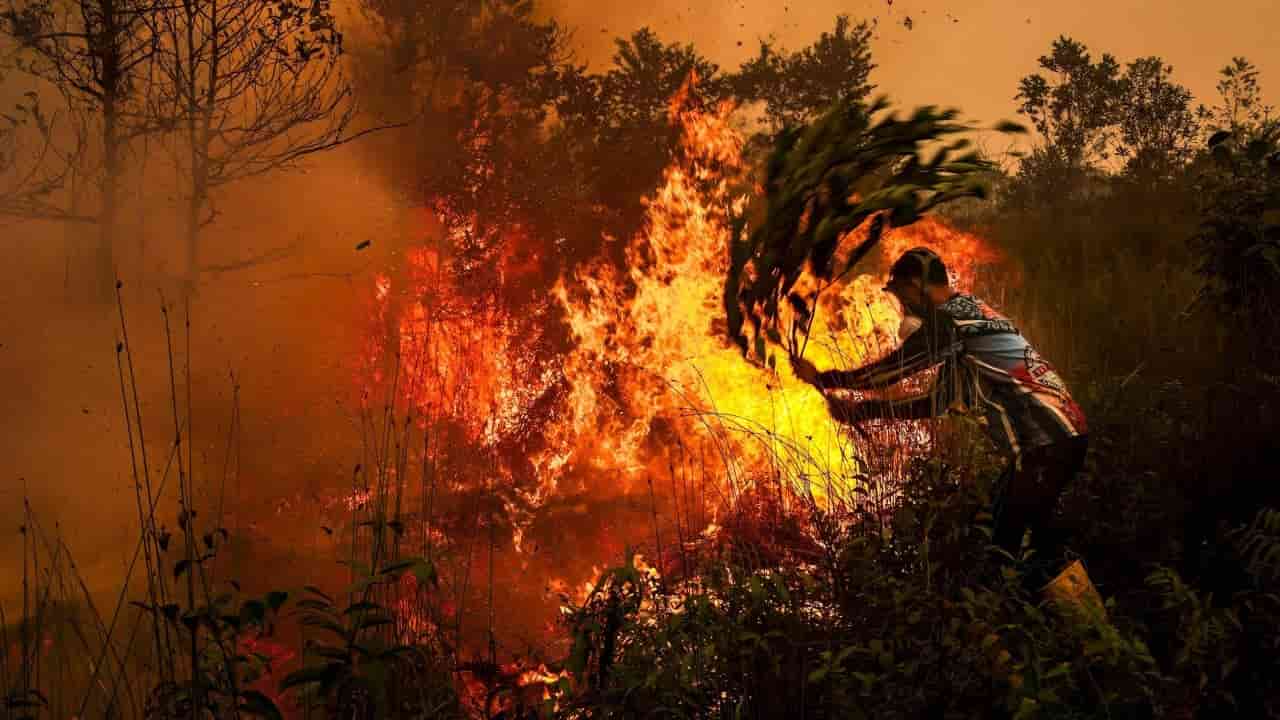
Indonesia's forestry and land-use sector is central to its pledge to become a net carbon sink by 2030, and record wildfire emissions threaten that goal as Jakarta enters COP31 negotiations seeking greater climate financing.
Indonesia's environment minister defended the country's climate commitments less than a week before the COP31 summit opens in Turkey, as record-breaking emissions from wildfires at home threaten one of the main pillars of its climate strategy, The Jakarta Post reported on November 5, 2026.
Environment Minister Jumhur Hidayat outlined six priority areas for Indonesia's negotiations at a press conference on Wednesday, including accelerating the energy transition and securing greater climate financing. He stressed that the country's climate ambitions should not come at the expense of its development agenda.
"Our priorities are energy affordability, workers' welfare and protection of local communities. We also oppose unilateral measures that disadvantage developing countries," Hidayat told the press conference.
The summit will seek to accelerate the 2015 Paris Agreement, which aims to limit global warming to 1.5 degrees Celsius. A UN climate report issued on October 21 warned the threshold would likely be breached in coming years, urging countries to limit the duration and scale of the overshoot.
As mandated by the 2015 agreement, Indonesia has submitted the second edition of its climate pledge, known as the Nationally Determined Contributions, outlining pathways to reduce greenhouse gas emissions by 2060. A key component of the country's climate strategy is reducing emissions from the forestry and other land-use sector, including by preventing forest and peatland fires. The government aims to turn the sector into a net carbon sink by 2030, meaning it absorbs more greenhouse gases than it releases.
Pick the topics you care about. Get only what matters, on your cadence.