Key facts
- OCBC, DBS and UOB have reported third-quarter earnings, Nikkei Asia said.
- Higher bond yields and interest-rate uncertainty are weighing on the banks' profit prospects, Nikkei Asia reported.
- OCBC shares closed down 3.3% at S$28.32 on November 2, 2026, The Business Times reported.
- The Straits Times Index closed down 1.4% at 5,303.83 on November 2, 2026, per The Business Times.
- Great Eastern, OCBC's insurance subsidiary, reported a 72% year-on-year fall in third-quarter net profit to S$102.9 million, The Business Times said.
- Analysts expect Singapore banks' asset quality and capital positions to remain resilient, The Business Times reported.
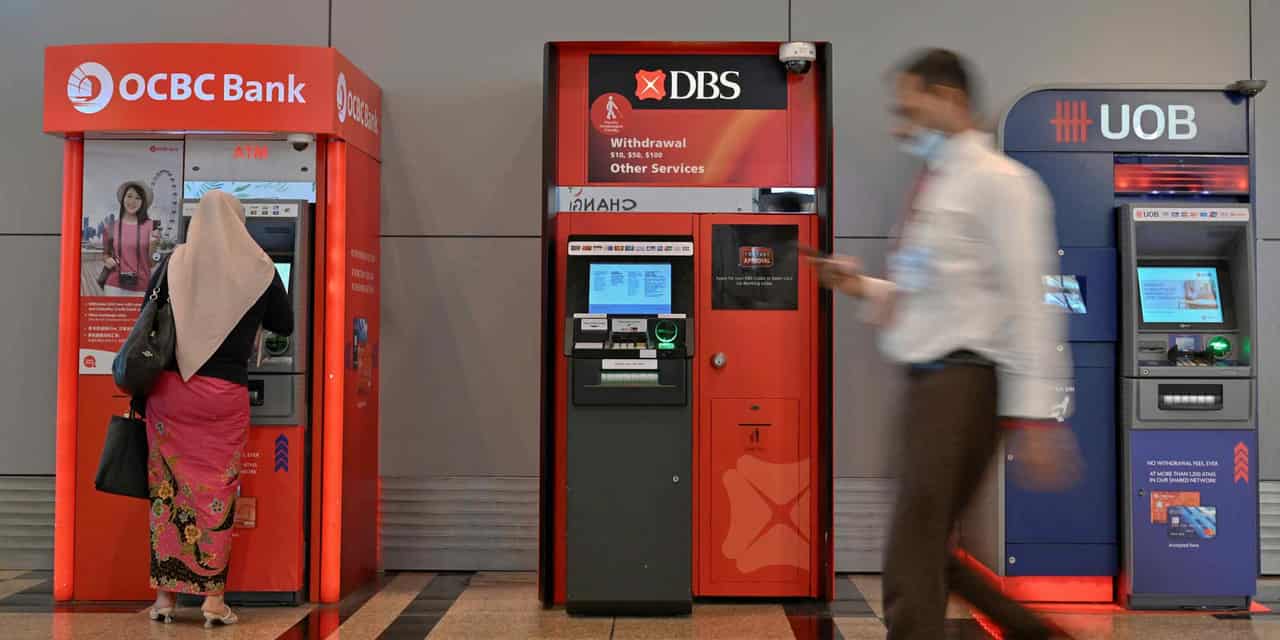
Singapore's largest banks are facing difficult prospects for stronger profits as higher bond yields and uncertainty over interest rates cloud their outlook, Nikkei Asia reported on November 6, 2026. Investors have been selling shares of OCBC, DBS and UOB, the report said, and the three lenders have reported third-quarter earnings.
Ahead of the results, shares of the three banks closed lower on Monday, November 2, 2026, according to The Business Times. OCBC fell 3.3% to S$28.32, DBS ended at S$71.71 and UOB at S$40.66. The Straits Times Index closed down 1.4%, or 72.91 points, at 5,303.83.
OCBC's steeper decline followed its insurance subsidiary Great Eastern reporting a 72% year-on-year fall in third-quarter net profit to S$102.9 million on November 2, 2026, The Business Times said. The fall was attributed to weaker investment valuations and a one-off loss from the partial divestment of its Indonesian subsidiary, the report said.
UOB reported its third-quarter results on November 4, 2026, followed by DBS on November 5 and OCBC on November 6, The Business Times said. Analysts told The Business Times they expect wealth management fees at Singapore banks to ease in the third quarter and pressure on net interest margins to persist, while expecting asset quality and capital positions to remain resilient. Investors were also expected to scrutinize the banks' exposure to artificial intelligence-related financing and the impact of rising bond yields on their investment portfolios and capital positions, the report said.