All NewsEducationTV
Equities & FundsCrypto & Digital AssetsAI & TechnologyBusiness & CorporateUS Politics & PolicyGeopolitics & Global RiskMacro, Rates & FXCommodities & EnergyEuropean Politics & MarketsAsia-PacificReal Estate & Property
All NewsHome
← Back to European Politics & Markets

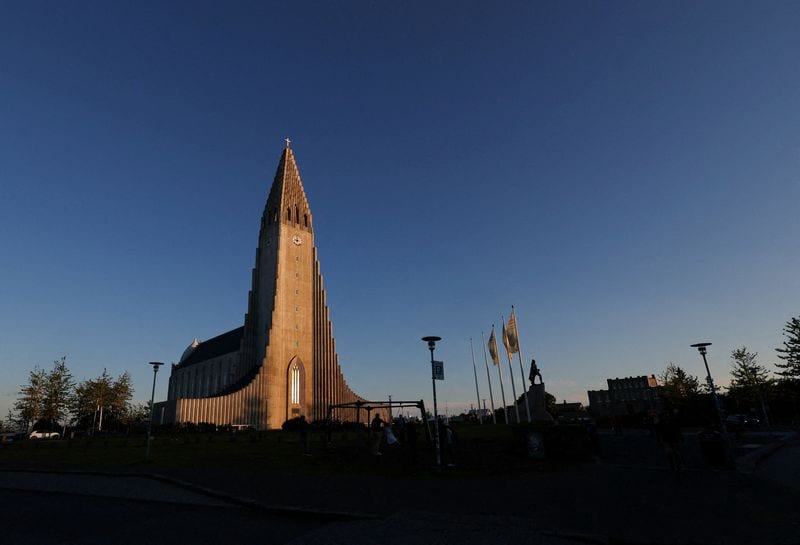
Iceland weighs EU membership amid fishing, sovereignty, and security concerns

Created at 21 Aug · 3:54 PM2 sources↑ Market-relevant2 events
IN SHORT

Icelanders will vote on August 29 on whether to reopen accession talks with the European Union. The decision balances potential economic benefits against concerns over fisheries control, national sovereignty, and geopolitical security.

Key Numbers

August 29Referendum date
two or more yearsBargaining period with EU
2028Potential second referendum year

Who's Involved

Kristrun Frostadottir
Prime Minister of Iceland
Vidreisn
Most pro-EU party in coalition
Social Democrats
Pro-EU coalition party
People's Party
Coalition party opposing EU membership
Independence Party
Opposition party leading the 'no' side
Donald Trump
U.S. President whose policy on Greenland is a concern
Iceland weighs EU membership amid fishing, sovereignty, and security concerns

↳ Why This Matters

The outcome of Iceland's referendum could influence the geopolitical balance in the strategically important Arctic region and impact the future expansion of the European Union.

Key facts

  • Iceland will hold a referendum on August 29 to decide whether to reopen membership talks with the European Union.
  • The vote is framed as a trade-off between potential economic benefits and retaining control over fisheries and national sovereignty.
  • Supporters believe membership would boost the economy, improve trade, and offer security advantages.
  • Opponents are concerned about ceding control of fisheries and national sovereignty to Brussels.
  • Recent polls indicate a divided electorate, with a near even split on restarting EU talks.

Iceland is preparing for a referendum on August 29 to decide whether to reopen membership talks with the European Union. The vote is expected to be closely contested, reflecting a deep division within the nation over the potential benefits and drawbacks of closer ties with the bloc.

Supporters of reopening talks argue that EU membership would bolster Iceland's economy by integrating it into the EU's customs union, potentially allowing it to adopt the euro and lower interest rates, thereby addressing high living costs and inflation. They also see it as a way to strengthen Iceland's position in trade and counter geopolitical rivalries, particularly in the Arctic region.

Conversely, opponents express strong concerns about sovereignty, particularly regarding the nation's vital fisheries industry. They fear that joining the EU's Common Fisheries Policy would grant foreign vessels access to Icelandic waters and dilute national control over a key economic pillar and symbol of identity. There are also worries about ceding decision-making power to Brussels and the potential loss of the Icelandic krona as an economic buffer.

The debate has been influenced by contemporary events, including rising living costs and the war in Ukraine, which have prompted a re-evaluation of Iceland's security arrangements and international partnerships. The stance of U.S. President Donald Trump regarding Greenland has also raised questions about regional security and Iceland's reliance on its NATO membership and a 1951 defense agreement with the U.S.

The current government coalition, formed in 2024, agreed to hold the referendum, initiated by the pro-EU party Vidreisn. Prime Minister Kristrun Frostadottir has framed the vote as a critical "now or never" moment, suggesting that a 'no' vote would definitively end EU speculation. If the referendum passes, it would trigger several years of negotiations with the EU, culminating in a second referendum on actual membership, potentially in 2028.

Frequently asked questions

No, the referendum is on whether to begin negotiations with the European Union. Actual membership would require a subsequent referendum after accession talks conclude.

Supporters believe membership would boost the economy, improve trade relations, potentially allow adoption of the euro, and enhance security in the Arctic.

Opponents fear losing control over fisheries and national sovereignty, ceding power to Brussels, and losing the economic buffer of the Icelandic krona.

The current government coalition includes pro-EU parties and parties that oppose membership. Public opinion is closely divided on reopening accession talks.

What Happens Next

01A second referendum on EU membership is possible in 2028 if accession talks are initiated.
02The government has framed the vote as a critical 'now or never' moment for EU accession talks.

How It Developed

Icelanders will vote on August 29 on whether to open accession talks with the European Union.
The referendum is a vote on whether to negotiate with the EU, with a second referendum required for actual membership.
Supporters argue EU membership would boost Iceland's economy, aid trade, and provide security against larger powers.
Opponents fear ceding power to Brussels and losing control over the vital fisheries industry under the EU's Common Fisheries Policy.
Rising living costs and geopolitical shifts, including Russia's war in Ukraine and U.S. policy on Greenland, have revived the debate.
Opinion polls show a near dead heat between those favoring and opposing the reopening of EU membership talks.

Sources

T1
Fish, ships and sovereignty: Iceland weighs its European futureReuters

Related Stories

Swiss voters likely to reject tighter neutrality, polls show
21 Aug · 6:10 AM
Serbia to hold snap parliamentary elections Oct. 18 or 25
20 Aug · 8:01 PM
Tunisia: Opposition Protests Against President Saied Amid Economic Discontent
20 Aug · 8:13 PM
Cameroon President Paul Biya returns home after 10-week absence
20 Aug · 5:09 PM
China criticizes EU foreign subsidies rules, links to trade talks
21 Aug · 8:46 AM