Key facts
- Icelanders rejected resuming EU accession talks with 52.8% voting against and 47.2% in favor.
- Turnout for the referendum was 82.5%.
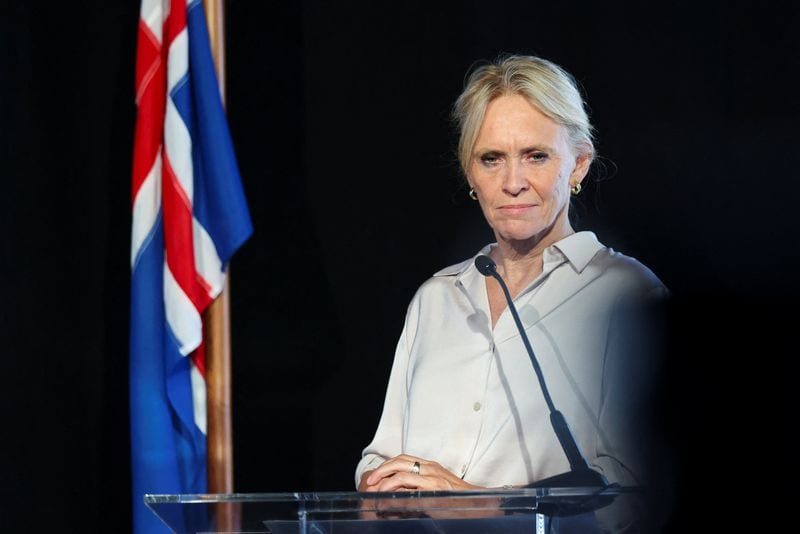
- Prime Minister Kristrún Frostadóttir confirmed the government will respect the referendum's outcome.
- The government plans to discuss closing the EU application chapter with the parliamentary foreign affairs committee.
- Iceland first began EU accession talks in 2009, which collapsed in 2013, but the application was never formally withdrawn.
Iceland's parliament is set to discuss the future of the country's bid to join the European Union after a referendum saw a majority of voters reject the resumption of accession talks. The national broadcaster RÚV reported that 52.8 percent voted against reopening negotiations, with 47.2 percent in favor, on a turnout of 82.5 percent.
Prime Minister Kristrún Frostadóttir stated that the government would respect the referendum's outcome and would not pursue further accession negotiations during its term. She indicated that the matter of formally closing the EU application chapter would be discussed with the parliamentary foreign affairs committee. Iceland initially began accession talks in 2009, which ended in 2013, but the application was never formally withdrawn.
Professor Eiríkur Bergmann of Bifröst University described the vote as a significant setback for the government, suggesting the coalition would emerge weakened. He attributed the 'no' vote's success to a 'technical' and 'passionless' campaign that favored maintaining the status quo. Sandro Gozi, a Member of the European Parliament, viewed the result as a warning to Europe that its attractiveness cannot be taken for granted. A European Commission spokesperson acknowledged the decision and affirmed Iceland's status as a close partner.