Key facts
- ICE officer Christian Castro, charged in a January shooting in Minneapolis, was released from a Texas jail.
- A judge ruled he could not order Castro's extradition to Minnesota.
- Castro is accused of shooting Julio César Sosa-Celis and falsely reporting the crime.
- Minnesota officials fear Castro may flee to Mexico.
- Governor Abbott is awaiting the outcome of an internal investigation before deciding on extradition.
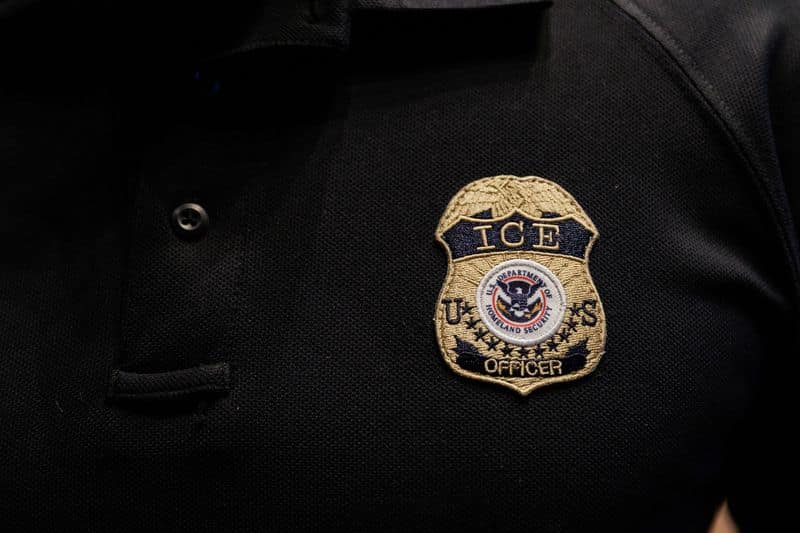
An Immigration and Customs Enforcement (ICE) officer, Christian Castro, who faces charges in Minnesota for a shooting and for lying about the incident, was released from a Texas jail on Thursday. A U.S. district judge, Fernando Rodriguez Jr., ruled that he could not compel Castro's extradition to Minnesota or order Texas Governor Greg Abbott to sign the extradition warrant.
Castro was arrested on May 29 in Cameron County, Texas, after a nationwide warrant was issued in May. Minnesota authorities have been seeking his extradition since his arrest. He is charged in Minnesota with assault and falsely reporting a crime in connection with the January 14 shooting of 24-year-old Julio César Sosa-Celis. Prosecutors allege Castro fired a gun through the front door of a Minneapolis home, hitting Sosa-Celis in the leg, and then falsely accused Sosa-Celis and another man of attacking an ICE officer.
Under Texas law, Castro had to be released after 90 days of detention if extradition was not finalized. Minnesota officials expressed concern that Castro might flee to Mexico, citing calls he made from jail to a woman in Mexico discussing marriage and purchasing property there. Minnesota's Attorney General Keith Ellison had filed a request for a temporary restraining order to prevent Castro's release or secure his return.
Attorneys for Texas argued that the judge could not rule on a decision that was still pending. Governor Abbott has not yet acted on the extradition request, reportedly waiting for the outcome of an internal state investigation into whether Castro is legally considered a "fugitive." The judge stated in his order that the court lacked jurisdiction because the case was not ripe for adjudication, as a violation had not yet occurred. Abbott's press secretary welcomed the ruling, emphasizing the governor's duty to carefully consider extradition requests.