Key facts
- ICE agent Christian Castro was released from a Texas jail after a federal judge denied Minnesota's extradition request.
An ICE agent accused of shooting a man and lying about it has been released from a Texas jail after a federal judge refused to order his extradition to Minnesota. Christian Castro faces assault and false reporting charges.
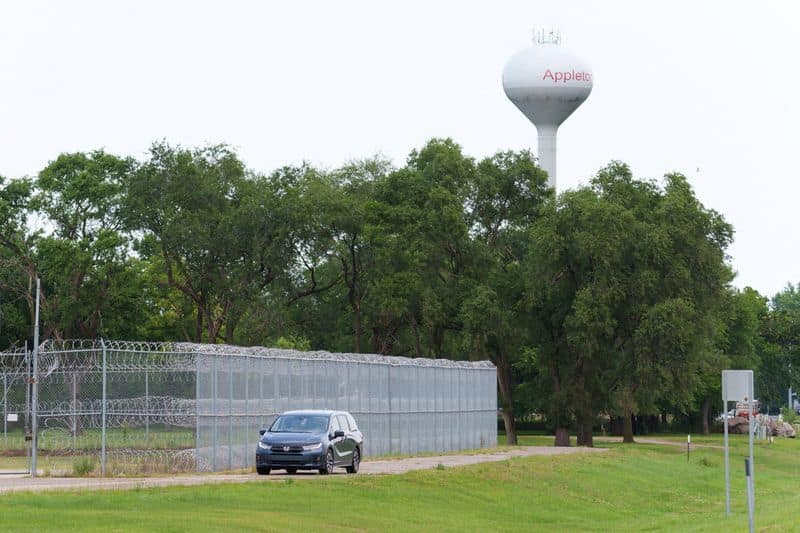
The case highlights a dispute between state and federal authorities over extradition, potentially allowing an accused officer to avoid prosecution in the state where the alleged crime occurred.
An Immigration and Customs Enforcement officer charged with shooting a man and lying about it during a crackdown in Minneapolis was released from a Texas jail after a federal judge refused to order his return to Minnesota. Christian Castro was released from a detention center in Brownsville, Cameron County Sheriff Manuel Trevino confirmed. A day earlier, U.S. District Judge Fernando Rodriguez Jr. ruled that he could not prevent a county sheriff from releasing Castro or order Texas Governor Greg Abbott to sign his extradition warrant. Castro faces charges in Minnesota including assault and falsely reporting a crime in connection with the Jan. 14 shooting of 24-year-old Julio Cesar Sosa-Celis. Prosecutors allege Castro fired a gun through the front door of a Minneapolis home, shooting Sosa-Celis in the leg, and then falsely accused two men of attacking him. Minnesota authorities had sought Castro's extradition since his arrest in Cameron County on May 29, but he remained in custody in Brownsville. Under Texas law, Castro had to be released after 90 days of detention, which expired Thursday. Minnesota officials believe Castro could flee to Mexico.
Pick the topics you care about. Get only what matters, on your cadence.