Key facts
- Slovakia's government approved a bill to ban social network use for children under 16.
- The proposed law requires age verification for social network accounts.
- The ban aims to prevent addictive behavior, social pressure, and radicalization.
- The age limit is based on psychological and neuroscience research on adolescent development.
- The criteria for age verification will follow EU digital services rules.
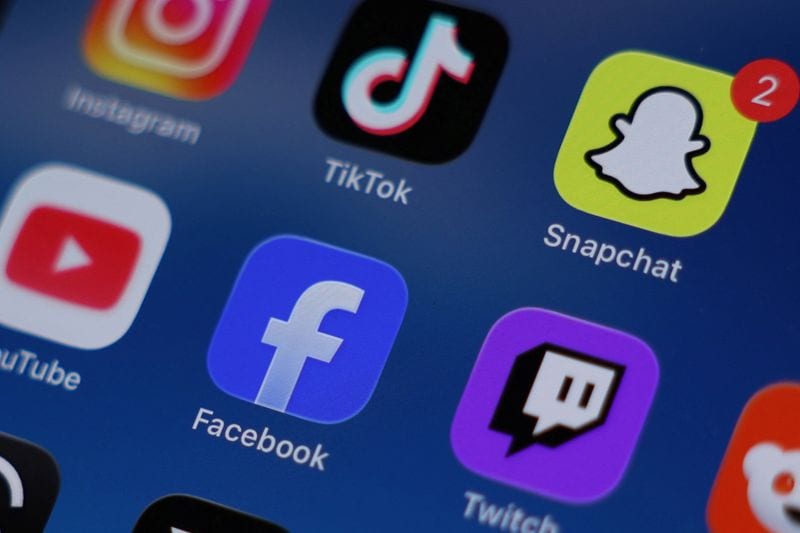
Slovakia's government has approved a bill proposing to ban children under the age of 16 from using social networks. The government stated that the measure is intended to help prevent addictive behavior, social pressure, and radicalization among young people.
If passed by parliament, the law would prohibit the creation of social network accounts for individuals younger than 16 and mandate age verification. According to documents from the government's website, the report accompanying the legislation highlights the increasing role of online technologies and social networks in the spread of harmful content, including violent and extremist material.
The decision to set the age limit at 16 was informed by findings in psychology and neuroscience, as well as international research indicating that adolescence is a critical period for identity development, critical thinking, emotional regulation, and social relations. During this phase, children and younger adolescents are considered more susceptible to algorithmic content suggestions, social pressure, manipulation, addictive behaviors, disinformation, and radicalization narratives.