Key facts
- ICC unsealed arrest warrants for four senior Taliban leaders on Monday.
- The leaders are accused of gender persecution against women, girls, and the LGBTQI+ community in Afghanistan.
- The alleged persecution is a crime against humanity.
- Warrants were issued in July and September last year for the four leaders.
- The Taliban seized power in Afghanistan in 2021.
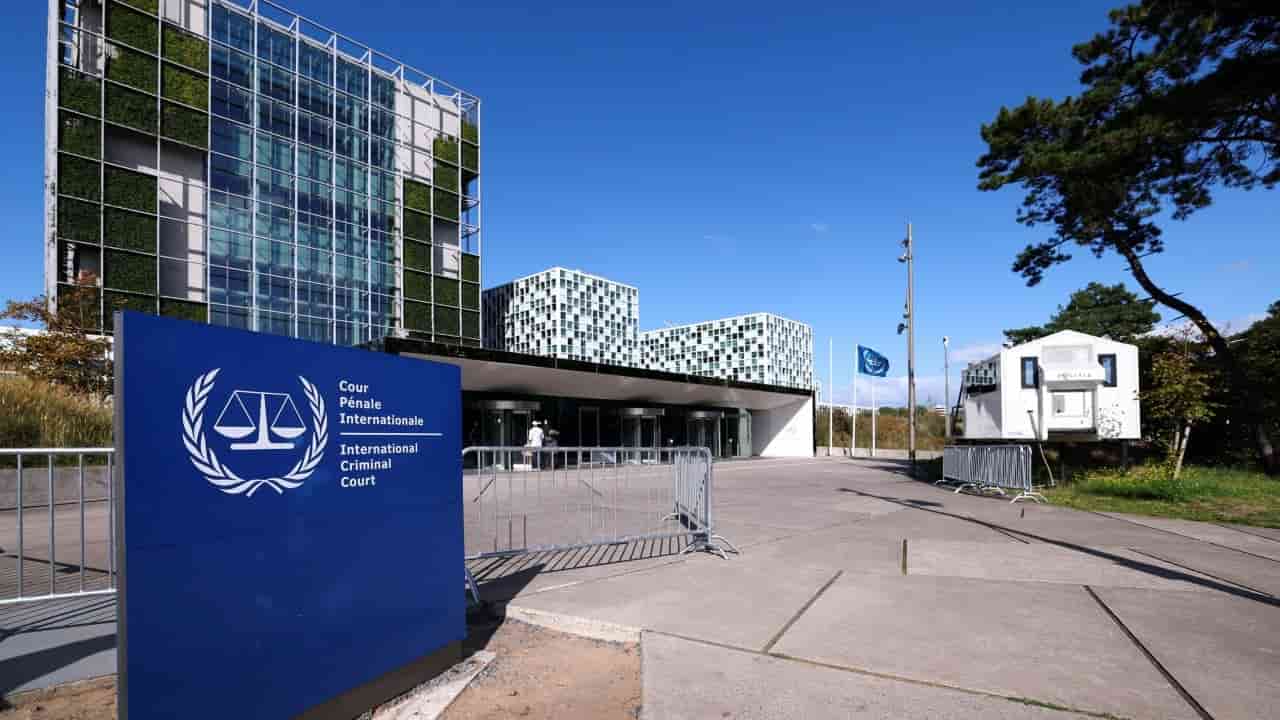
The International Criminal Court (ICC) on Monday unsealed arrest warrants for four senior Taliban leaders, accusing them of the crime against humanity of gender persecution against women, girls, and the LGBTQI+ community in Afghanistan. The warrants were issued in July and September of the previous year for the Taliban's supreme leader, Hibatullah Akhundzada, and the head of Afghanistan’s Supreme Court, Abdul Hakim Haqqani. Also named are Education Minister Habibullah Agha and Minister of Higher Education Neda Mohammad Nadim.
The court stated that the four suspects, acting on behalf of the Taliban, implemented a government policy that resulted in severe violations of fundamental rights and freedoms. These included the deprivation of education, privacy, family life, and freedoms of movement, expression, thought, conscience, and religion for girls and women. Additionally, other individuals were targeted due to expressions of sexuality or gender identity deemed inconsistent with the Taliban's policies.
The existence of warrants against Akhundzada and Haqqani was previously revealed, but they remained sealed. The ICC acknowledged that with the Taliban in control of Afghanistan and the court lacking a police force to execute warrants, the likelihood of the suspects' arrest is remote. Since regaining control in 2021, the Taliban have imposed severe restrictions on women, barring them from most public spaces and education beyond sixth grade, and implementing policies such as banning windows from looking into areas where women might be.
Afghan government spokesman Zabihullah Mujahid condemned the ICC's decision, stating that Afghanistan does not recognize the court and is bound by Islamic Sharia law. Former ICC chief prosecutor Karim Khan had announced his request for warrants against Akhundzada and Haqqani in January of the previous year, citing the "unprecedented, unconscionable and ongoing persecution" faced by Afghan women, girls, and the LGBTQI+ community.