Key facts
- Magyar said the scandal was just the "tip of the iceberg" and his anti-corruption drive would go on.
- Authorities recovered nearly $20 million in cash, some buried in forests or hidden in farm buildings and warehouses.
- Sesztak, Orban's development minister from 2014 to 2018, has denied wrongdoing.
- Fidesz parliamentary group leader Janos Boka said an independent court should deliver a verdict.
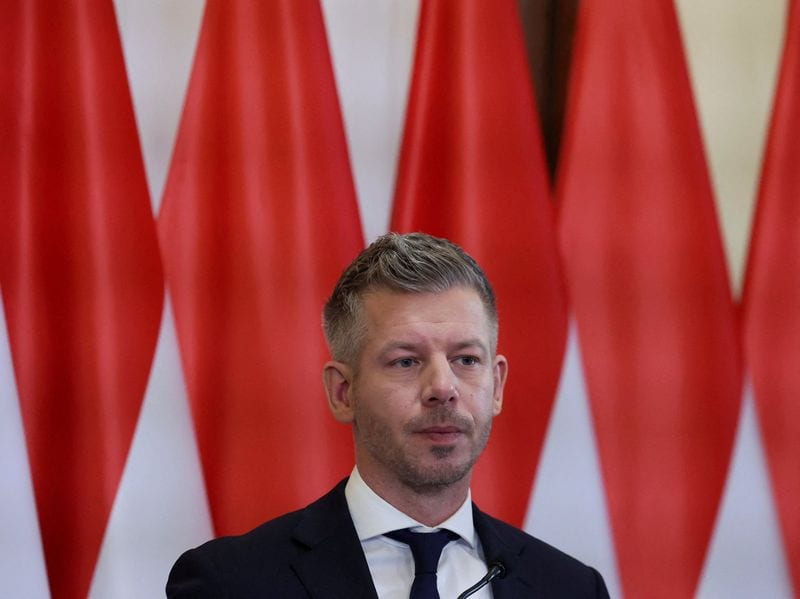
Hungarian Prime Minister Peter Magyar called on opposition Fidesz and Christian Democrat lawmakers on Monday to resign after authorities recovered nearly $20 million in cash in a bribery probe into a minister under a former Orban government.
In a speech in parliament on November 16, Magyar said the scandal was just the "tip of the iceberg" and his anti-corruption drive would go on. "If you have a shred of decency left in you, I ask that you be brave and apologise to the Hungarian people, and then return your mandates," Magyar said.
On Friday, authorities recovered nearly $20 million in cash, some buried in forests or hidden in farm buildings and warehouses, in a bribery investigation into Miklos Sesztak, a minister under Orban. Sesztak, Orban's development minister from 2014 to 2018, has denied wrongdoing. Fidesz wrote earlier in a Facebook post that it hoped Sesztak was not connected to the cash.
Fidesz parliamentary group leader Janos Boka said any abuse of public money was unacceptable and an independent court should deliver a verdict. Lawmaker Bence Retvari, a member of Fidesz's former coalition partner Christian Democrats, told parliament they rejected being condemned by Magyar "based on collective sin."
The cash find is the latest in a series of graft investigations into officials who served under Orban. Another former minister and former central bank chief Gyorgy Matolcsy, an Orban ally, are under arrest over graft accusations, which they deny. Orban has denied allegations of corruption.
Two recent polls show Magyar's Tisza party widening its lead over Fidesz since September. A survey published by the 21 Research Centre on Monday showed that Tisza had 65% support among decided voters, up from 60% in September. Fidesz stood at 24%, down from 26%. Pollster Median, which correctly predicted the outcome of the April election, said in a survey last week that Tisza's support rose to 55% from 54% in September, while Fidesz dropped to 16% from 22% two months earlier.