Key facts
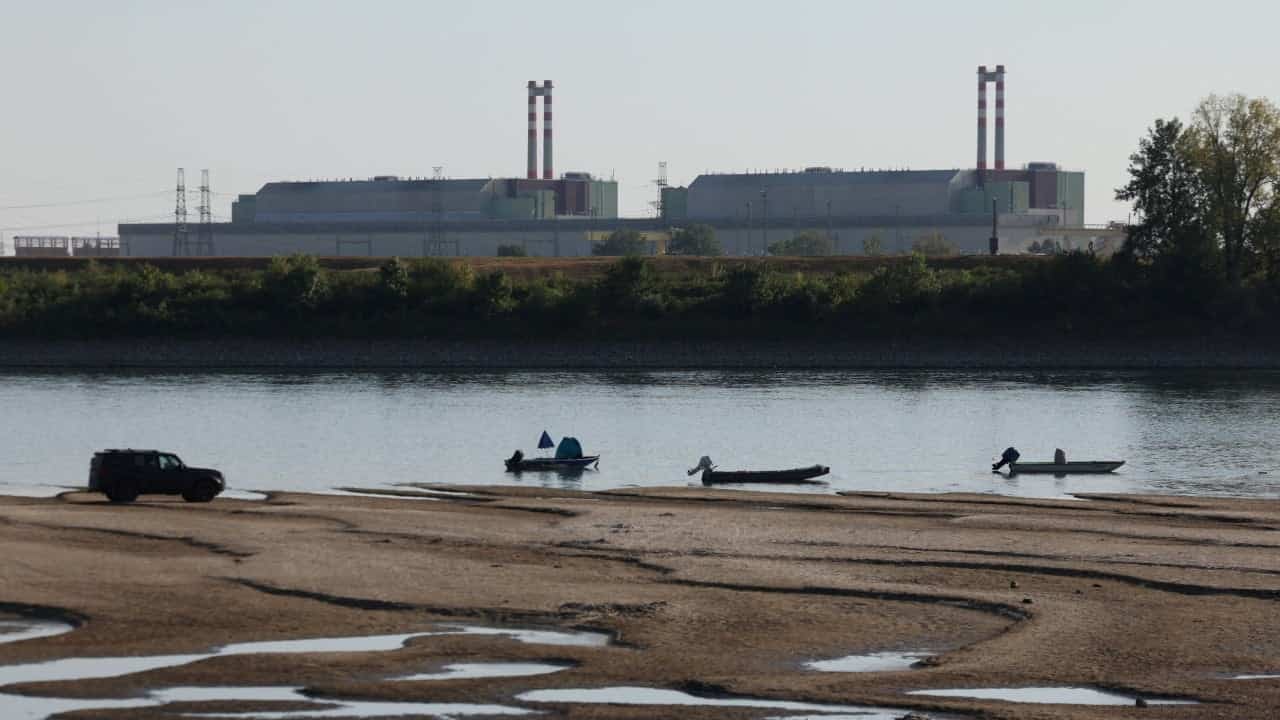
- Hungary's sole nuclear power plant, Paks, is shutting down due to critically low Danube River water levels.
- The Paks plant generates 40 percent of Hungary's electricity.
- Prime Minister Péter Magyar warned of critical days ahead and a potential energy crisis.
- A heatwave is forecast, with temperatures expected to rise above 40 degrees Celsius.
- Neighboring countries like Serbia and Romania are also facing energy disruptions due to low Danube levels.
Record low water levels on the Danube River are pushing power plants across Central and Eastern Europe to the brink of shutdown, threatening an energy crisis amid persistent drought and extreme heatwaves. The Danube's levels in Budapest have fallen to approximately 10 centimeters, surpassing the previous all-time low set in 2018.
Hungary's only nuclear power plant, the Soviet-built, four-reactor facility at Paks, is particularly affected. Using Danube water for cooling, the plant's output has been drastically reduced to 240 megawatts from its usual 2,000 megawatts. Prime Minister Péter Magyar warned of critical days ahead, though engineers managed to keep the final operating turbine running temporarily, averting an immediate full shutdown.
The Paks plant accounts for nearly half of Hungary's electricity production. To mitigate the deficit, Hungary has sought regional electricity imports and renewable energy, requested industrial users curb consumption, and asked households for voluntary savings. Electric-powered freight trains are also restricted during peak hours to conserve an estimated 70 to 90 megawatt-hours daily. These conservation measures have been made mandatory for large industrial or commercial consumers, with the push reportedly saving 700 megawatts the previous day.
Neighboring countries are also grappling with the low Danube levels. Serbia's key hydroelectric plant is operating at only 20% capacity, prompting Prime Minister Djuro Macut to call for electricity conservation. Serbian President Aleksandar Vucic warned that the Danube could soon be too low for river transport, with cargo ships currently carrying half their usual weight.
In Romania, the Cernavoda power plant has shut down one reactor unit due to safety concerns related to low water flow, operating at about half its normal capacity.