Key facts
- The proposed offence would cover bid-rigging, price-fixing, market sharing and output restrictions in maintenance and renovation tenders.
- Criminal liability would apply to individuals and undertakings and extend to preparatory stages such as engaging consultants.
- The maximum fine would be the highest of HK$10 million, three times commercial gains, or 50% of local turnover per year.
- The government proposes designating the offence under the Organized and Serious Crimes Ordinance and the ICAC Ordinance.
- Civil penalties would rise to a cap of the highest of HK$8 million, twice commercial gains, or 30% of local turnover.
- Director disqualification orders would be extended from five years to 15 years under the proposals.
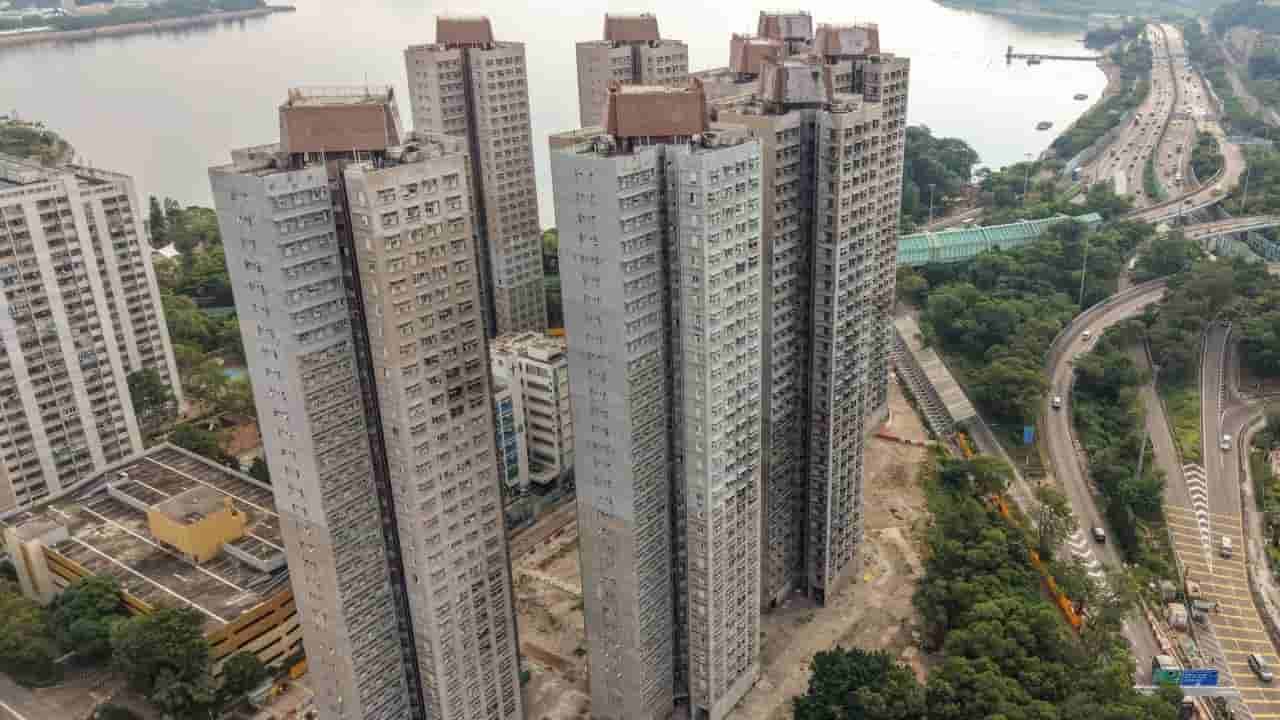
The Hong Kong Bar Association called on the government to clearly define criminal thresholds and resolve whistle-blower immunity rules under its plan to outlaw bid-rigging in building maintenance, following the deadly Wang Fuk Court fire in Tai Po. A task force formed by the association, which represents the city's barristers, spent 10 months reviewing four key areas of law and published a 140-page report on Sunday.
Hong Kong's government proposed on October 30, 2026 to criminalize bid-rigging and three other serious anti-competitive practices in building maintenance and renovation tenders, setting a maximum penalty of 10 years in prison. The plan follows an independent committee report into the Wang Fuk Court fire in Tai Po, which concluded that collusion in major maintenance and renovation works was a serious problem, with individuals linked to triad groups manipulating tenders.
The proposals would amend the Competition Ordinance to create a targeted criminal offence covering bid-rigging, price-fixing, market sharing and output restrictions. Criminal liability would apply to individuals and undertakings, and the scope would extend beyond works contractors to preparatory stages such as engaging consultants.
The government intends to bring the new offence within the ambit of the Organized and Serious Crimes Ordinance and the Independent Commission Against Corruption Ordinance, strengthening investigative powers and coordinating case handling by the Police, the ICAC and the Competition Commission. The commission would continue to pursue civil actions in parallel where appropriate.