Key facts
- Attacks on Black Sea grain infrastructure are disrupting shipments and tightening global wheat supplies.
- Chicago wheat futures have increased by more than 17% since the start of July.
- Major importers like Egypt and Indonesia are vulnerable to supply shortfalls.
- Alternative wheat sources such as Australia and Argentina are more expensive.
- Shipping risks have led to cancelled tenders and reluctance from shipowners to call at Black Sea ports.
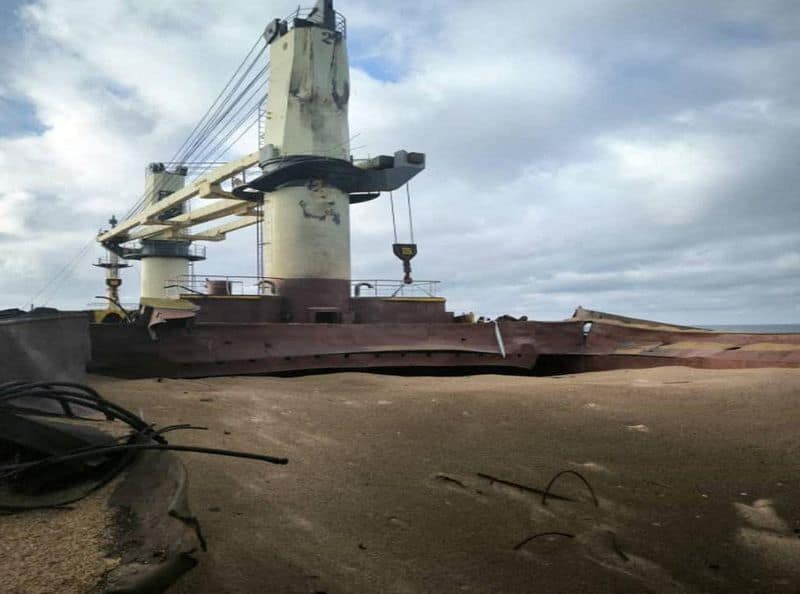
Global wheat buyers are increasingly concerned about tighter supplies and rising prices as attacks on Black Sea grain infrastructure disrupt shipments. Benchmark Chicago wheat futures have surged over 17% since early July, reflecting the shortfall from the crucial Black Sea region. Tit-for-tat attacks between Russia and Ukraine have led to the closure of grain terminals and the delay or cancellation of numerous cargo loadings during the peak export season.
Traders report that many ships scheduled to load grain in the Black Sea have been unable to do so, prompting buyers to seek alternatives from origins such as Australia, North America, and Argentina. Major importers, including Egypt and Indonesia, are particularly vulnerable as they rely heavily on Black Sea wheat for a significant portion of their second-half supply. Asian grain processors have booked substantial volumes of Black Sea wheat for arrival between July and September, but fears are growing that these shipments may not arrive on time.
While stronger harvests in parts of the Middle East and North Africa have provided some buffer, with Egypt procuring record volumes of local wheat, the private sector in Egypt, which imports over half its wheat needs, is feeling the pressure. Indonesia has also contracted significant amounts of wheat from former Soviet exporters for the July-September period but is looking to other origins for potential replacements. Other key importers like Algeria, Bangladesh, Jordan, Thailand, Tunisia, and Vietnam also depend heavily on Russian and Ukrainian wheat.
Jordan has cancelled wheat and barley tenders due to high prices and shipping risks, and Tunisia has warned suppliers against invoking force majeure. The risks have escalated, with a vessel reportedly attacked near Russia's port of Novorossiysk last week. Consequently, few shipowners are willing to call at Russian or Ukrainian ports, exacerbating the supply crunch. The situation has drawn high-level attention, with Ukrainian President Volodymyr Zelenskiy discussing the threat to food supplies with Egyptian President Abdel Fattah al-Sisi.
Switching to alternative suppliers will come at a substantially higher cost. Australian Premium White wheat is quoted significantly above Black Sea prices, as is U.S. wheat. The collapse of an arrangement that had largely protected grain ships and port terminals has led to a surge in attacks on vessels and facilities in Ukraine. The infrastructure ministry reported numerous attacks in July alone, a stark increase from the previous year.