Key facts
- The U.S. Bureau of Reclamation proposed a 10-year plan for Colorado River water management through 2036.
- Arizona, California, and Nevada face proposed significant water cuts.
- Colorado, Utah, New Mexico, and Wyoming are spared immediate mandatory cuts.
- Lower Basin states could collectively lose up to 3 million acre-feet of water annually.
- Proposed annual releases from Lake Powell range from 5 million to 12 million acre-feet.
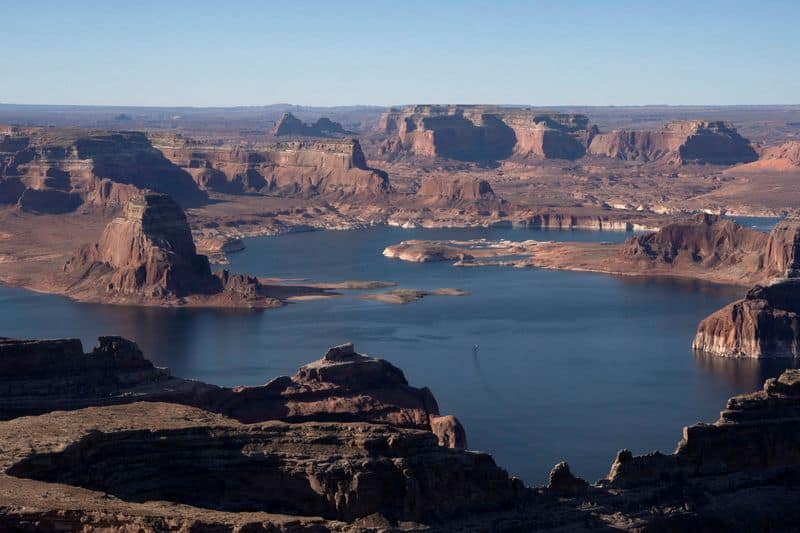
The U.S. government has released a proposed 10-year framework for managing the drought-stricken Colorado River, a vital water source for approximately 40 million people across seven Western states and two countries. The plan, from the U.S. Bureau of Reclamation, aims to provide flexibility in operating Lake Powell and Lake Mead based on changing hydrological conditions, as the basin states failed to reach a consensus on water sharing.
The proposal sets annual release limits for Lake Powell between 5 million and 12 million acre-feet and anticipates potential annual water shortages of up to 3 million acre-feet (about 40% of their collective total) for the Lower Basin states of Arizona, California, and Nevada. This federal intervention comes after years of stalled negotiations and follows critically low reservoir levels.
Secretary of the Interior Doug Burgum stated the framework allows for adaptation to changing conditions while encouraging the basin states to pursue consensus-based solutions. The river system, which fuels significant economic activity and irrigates millions of acres of farmland, has been overdrawn for over a century, exacerbated by climate change leading to reduced snowmelt and increased evaporation. The decline in river flows has already impacted ecosystems and threatened species.