Key facts
- A draft US Senate bill on Russia sanctions includes provisions for tariffs up to 100% on goods from countries importing Russian oil and gas or facilitating sanctions evasion.
- The legislation, promoted by Senators Lindsey Graham and Richard Blumenthal, aims to pressure Russia's war chest.
- Experts warn the broad powers could be used by President Donald Trump to impose tariffs on allies, potentially impacting EU-US trade.
- The bill's effectiveness as a sanctions tool versus its potential as a trade policy instrument is debated.
- The legislation faces an uncertain future in the House of Representatives.
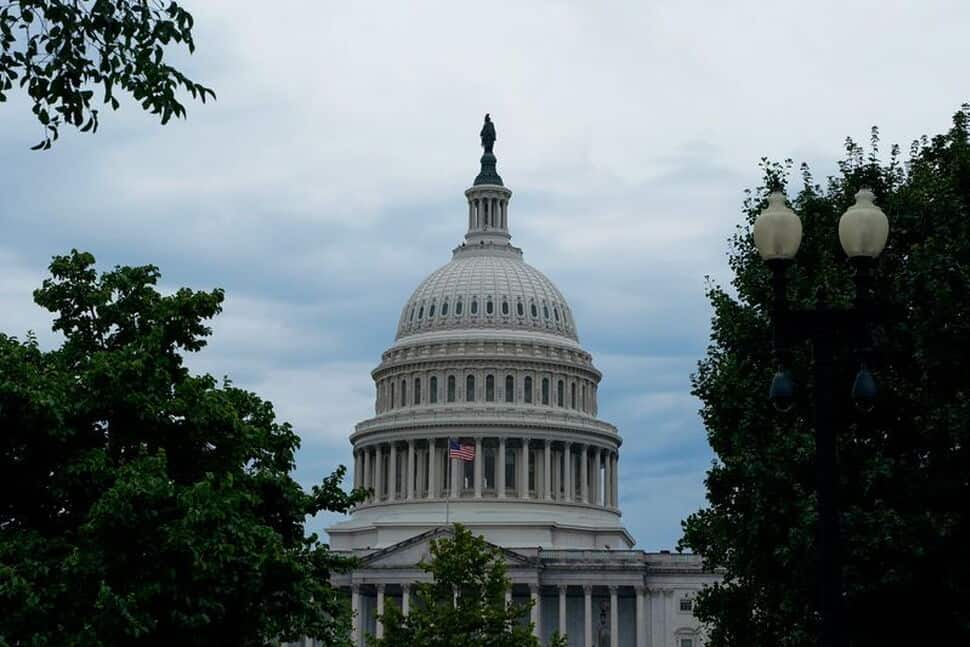
A draft bill progressing through the U.S. Senate, intended to impose stringent sanctions on Russia, is encountering significant challenges due to provisions that could grant President Donald Trump broad new powers to levy tariffs. This legislation, originally championed by the late Senator Lindsey Graham and Senator Richard Blumenthal, aims to tighten economic pressure on Moscow's war funding.
The bill's most contentious element, Section 113, allows the U.S. president to impose tariffs of up to 100% on goods from countries that are either among the top five importers of Russian oil and gas or are deemed to be facilitating sanctions evasion. While proponents suggest these tariffs are primarily aimed at China and India, experts and scholars express concern that the broad wording and expanded executive authority could empower President Trump to target allies, including the European Union.
This development comes at a sensitive time for EU-US trade relations, particularly following the European Commission's recent fine against Google. President Trump has previously reacted strongly to such actions, threatening substantial tariffs. The bill's structure, which emphasizes tariffs over traditional sanctions, is seen by some as a strategic move to appeal to Trump's known preference for using tariffs as a policy tool. Experts like Maria Shagina note that tariffs might serve broader trade and domestic political agendas more than exert sustained pressure on Russia.
Concerns are amplified by the vagueness of definitions within the bill, such as what constitutes "facilitating" sanctions evasion, and the potential for weak Congressional oversight. International law professor Alan Sykes highlighted the considerable uncertainty surrounding the bill's administration and the data used to determine which countries meet the criteria. The bill does include a clause for exemptions for countries taking significant steps to reduce Russian gas purchases and allows for duty waivers in the U.S. national interest, but these decisions are left to the president's discretion, creating further ambiguity.
Ukrainian President Volodymyr Zelenskyy has publicly supported the bill, viewing it as a crucial signal of support. However, the legislation still faces an uncertain path in the House of Representatives, which has adjourned for its summer recess. The European Commission has declined to comment on the specifics of the draft bill but emphasized the EU's commitment to aligning sanctions with partners to maximize pressure on Russia.