Key facts
- A federal judge has again halted Donald Trump's executive order limiting mail voting.
- The judge cited insufficient time before the midterm elections.
- The ruling was made after Democrats and voting rights groups refiled lawsuits.
A federal judge has again halted Donald Trump's executive order limiting mail voting, citing insufficient time before the midterm elections. The ruling, which could be appealed, comes after Democrats refiled lawsuits following a Supreme Court decision.
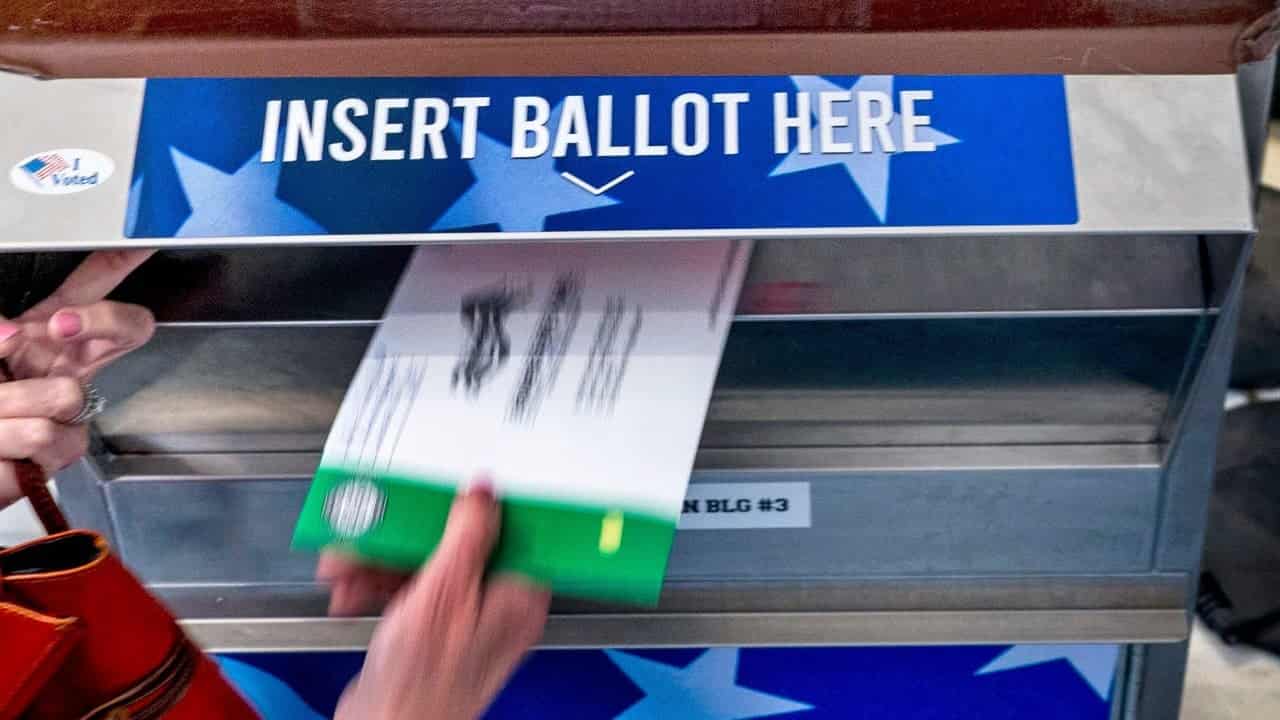
The ruling significantly impacts the upcoming midterm elections, where nearly one-third of Americans vote by mail, by temporarily preserving existing voting procedures amidst legal challenges to new federal directives.
U.S. District Court Judge Indira Talwani on Thursday halted Donald Trump's executive order limiting mail voting for two weeks, marking the second time the directive has been blocked. The decision comes just about a week before mail ballots are to be sent out for the midterm elections.
Talwani cited the lack of time and resources for states to comply with new Postal Service directives, which require specific voter lists and envelope formatting for mail ballot delivery. Democrats and voting rights groups had refiled their lawsuits after a recent Supreme Court decision that allowed the administration to proceed with the order, but did not rule on its legality.
Opponents argue the order is unconstitutional, asserting that election rules fall under state and congressional authority, not the president or Postal Service. This reasoning previously led courts to block Trump's first executive order on election procedures. The administration had argued that previous claims were premature until formal rules were issued.
The case is likely to be appealed, with a hearing set for September 3. New York Attorney General Letitia James called the rule an attempt by the federal government to interfere in elections.
Pick the topics you care about. Get only what matters, on your cadence.