Key facts
- The FCC authorized SpaceX to deploy its Starmind constellation but denied a waiver for non-reentry disposal methods.
- The FCC said SpaceX had not provided sufficient information to determine whether alternative disposal methods comply with its requirements.
- The FCC said rocket launch emissions and their environmental impacts are outside the Commission's purview.
- The FCC said concerns about atmospheric effects of satellites burning up on reentry remain speculative and unsupported in the record.
- The FCC cited an October policy change holding space-based activities generally outside its National Environmental Policy Act obligations.
- The FCC received approximately 1,500 public comments on SpaceX's application.
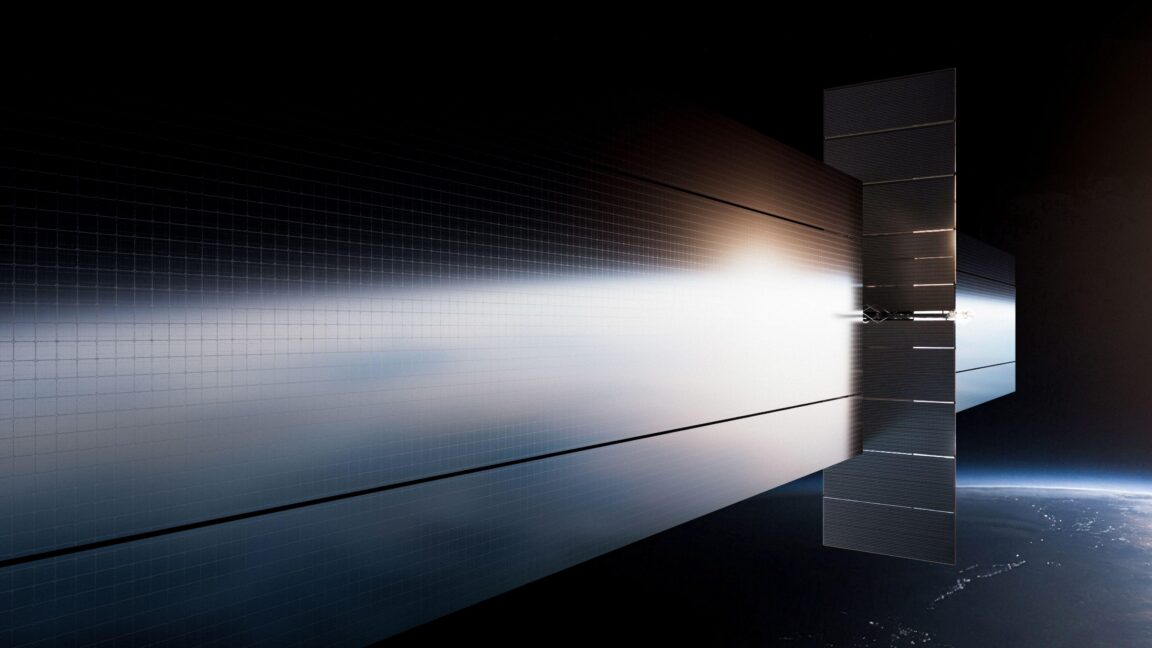
The Federal Communications Commission authorized SpaceX to deploy its Starmind satellite constellation, according to a report published November 25, 2026. The agency declined to conduct a comprehensive environmental assessment of the system.
The FCC did not grant SpaceX's waiver request for disposing of Starmind satellites by methods other than atmospheric reentry, stating that SpaceX had not provided sufficient information for the Commission to determine whether its alternative disposal methods comply with its requirements. SpaceX will need to obtain a waiver before deploying any Starmind satellites not intended to be disposed of via atmospheric reentry.
Half a dozen organizations, including the Secure World Foundation and the American Astronomical Society, raised concerns about deploying so many satellites into orbit, citing collision risks, orbital debris, atmospheric pollution from satellite reentries and impacts on astronomical observations. The FCC also received approximately 1,500 public comments on the application.
The FCC said some environmental issues lay beyond the scope of its review. On concerns about emissions from thousands or potentially tens of thousands of rocket launches, the FCC said potential concerns related to launch emissions and subsequent impacts on the human environment as an indirect result of the Starmind system are outside the Commission's purview. The agency also rejected calls for further environmental scrutiny of pollution from satellite reentries, including concerns about aluminum oxides and their potential effects on the ozone layer, saying such concerns remain speculative and not supported in the record.
As part of its decision, the FCC cited a policy change adopted in October, when the agency concluded that space-based activities generally fall outside its obligations under the National Environmental Policy Act. The FCC reasoned that as these activities occur beyond US territory, they do not constitute federal actions requiring environmental review.