Key facts
- Families are building or buying tiny homes as an alternative to expensive nursing homes.
- Linda Barton's parents moved into a $37,000 tiny home on her property, with a second $43,000 tiny home purchased for her father-in-law.
- Annual private room costs in nursing homes rose from $111,000 to $130,000 between 2022 and 2025.
- Shalini Karnani Bonjour's family is building an ADU for her mother, a project costing $475,000.
- 75% of sales from ADU company Villa in 2026 have been for multigenerational households, many for caregiving.
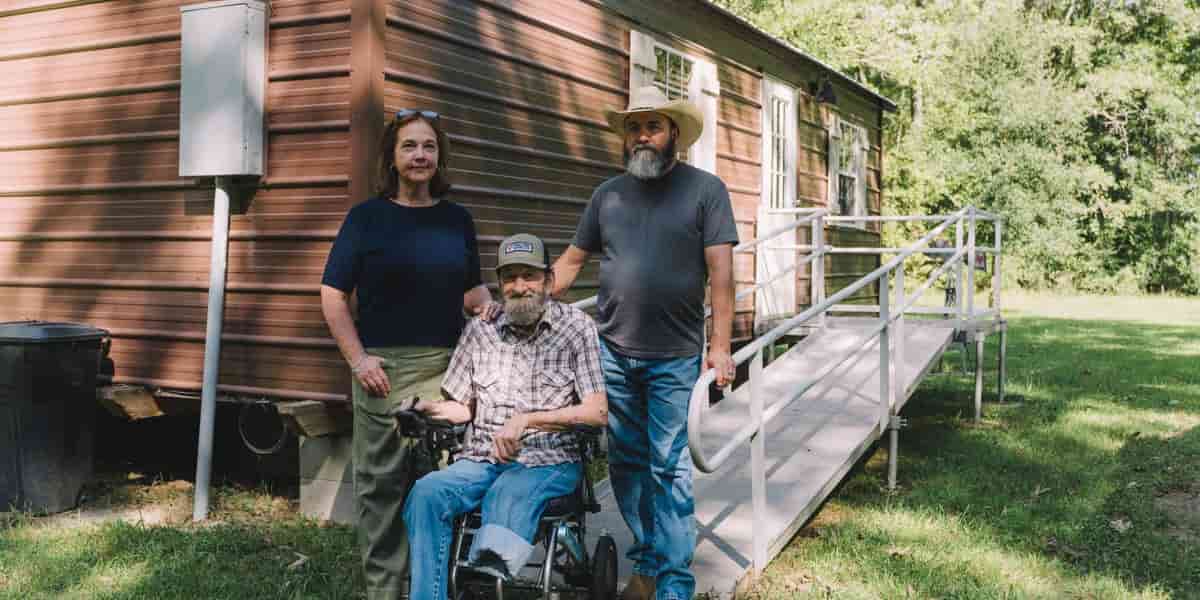
Facing escalating costs for nursing homes, Americans are increasingly turning to building or purchasing tiny homes on their properties as a more affordable housing solution for aging relatives. Linda Barton, 55, and her husband bought two tiny homes in Texas for her parents and father-in-law, costing $37,000 and $43,000 respectively. After installing necessary utilities and amenities, her parents moved into one, and her father-in-law into the other. Barton noted that while this arrangement is more manageable than assisted living, caregiving bills are still substantial, and Medicare and hospice offer limited financial relief.
The cost of nursing home care has significantly increased, with annual private room expenses rising from $111,000 in 2022 to $130,000 by 2025. This has driven families to explore alternatives like accessory dwelling units (ADUs). Shalini Karnani Bonjour's family is undertaking a $475,000 project to build an ADU in California for her mother, a cost considered more affordable than purchasing a larger home in the area. Bonjour described the process as challenging due to the many factors involved, including affordability and neighbor relations.
ADUs are gaining popularity, particularly in California, where they are seen as a way to address the housing crisis. Rachael Reiner, director at ADU company Villa, stated that 75% of their sales in 2026 were for multigenerational households, often for caregiving purposes. She highlighted that building an ADU on existing property allows families to remain in their communities without the prohibitive cost of finding larger homes.