Key facts
- A flood caused by a glacial collapse destroyed a Nepal-China border crossing on August 26.
- At least 1,386 people died in Nepal and 43 in China.
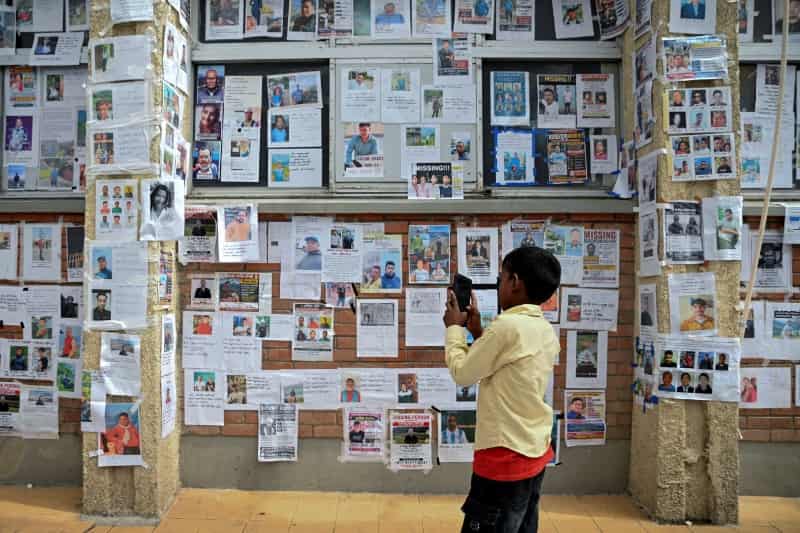
- 5,130 people are missing on the Nepal side and 519 on the China side.
- Families are using WhatsApp groups to share information and coordinate search efforts.
- Some families have provided DNA samples to authorities for identification.
- Authorities in Nepal, China, and India are coordinating efforts to find the missing.
Weeks after a devastating flood caused by a glacial collapse destroyed a border crossing between Nepal and China, families of the missing are clinging to hope amid a lack of information. The disaster, which occurred on August 26, swept away the Gyirong Port immigration post, killing at least 1,386 people in Nepal and 43 in China, with thousands still unaccounted for.
Arushi Gupta, a 33-year-old consultant from India, was preparing to cross from Nepal into Tibet for a pilgrimage to Mount Kailash when the flood hit. Her last message to her father, Ajay Gupta, was a photo of the border crossing. Her family, along with many others, are desperately seeking news, with some convinced their loved ones may have found safety in elevated areas.
Families have formed WhatsApp groups to share information and have reached out to authorities in Nepal, China, and India. Ajay Gupta traveled to Kathmandu to search hospitals and meet with officials, even providing a DNA sample. Similarly, Vladyslava Horlova, a Ukrainian student, is searching for her mother, Elena Horlova, and 46 other Ukrainians who went missing on a spiritual retreat. Horlova has been contacting various ministries and embassies, grappling with conflicting location data from her mother's devices.
Despite the slow flow of information and the immense scale of the disaster, which deposited millions of tons of debris, some families refuse to give up hope. Chinese authorities have stated that relatives will be informed promptly and provided a hotline for families. Indian authorities are working closely with their Chinese and Nepalese counterparts. However, the lack of concrete updates has created an information vacuum, leaving families in a state of agonizing uncertainty.