Key facts
- Eswatini received two more third-country nationals deported from the U.S.
- The deportees are reportedly Latin American.
- Over 30 individuals have been deported to Eswatini from the U.S. since last year.
- The U.S. has a $5.1 million agreement with Eswatini for these deportations.
- Human rights groups have criticized the agreement and the treatment of deportees.
Eswatini announced on Thursday that it had received two additional third-country nationals deported from the United States under a bilateral agreement. The government stated the individuals were Latin American, though their specific nationalities were not disclosed.
This latest arrival brings the total number of people deported from the U.S. to the Southern African kingdom to over 30 since last year. The Trump administration's immigration crackdown has included deporting migrants to various countries across Africa, Asia, and the Americas.
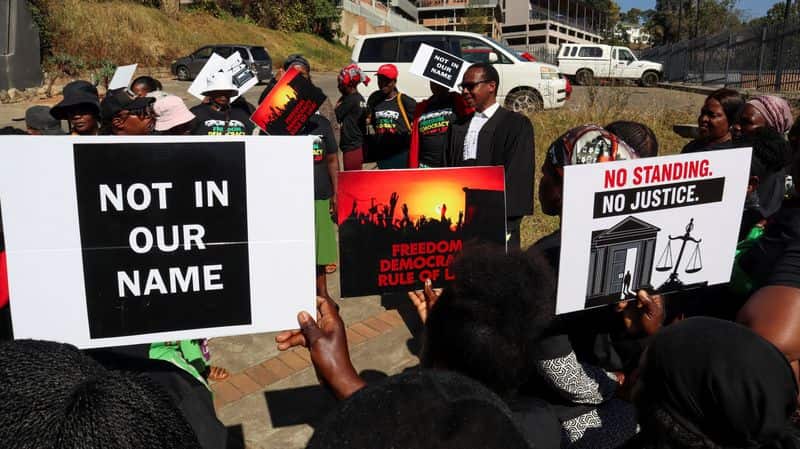
The agreement between Washington and Eswatini, reportedly worth $5.1 million, has faced significant opposition from lawyers and human rights organizations. Critics argue that some deportees are being held in Eswatini despite having completed their criminal sentences in the United States. Previous deportation flights to Eswatini have included individuals from countries such as Vietnam, Jamaica, Cuba, Yemen, Cambodia, Chad, Ethiopia, Haiti, the Philippines, Somalia, Tanzania, and Sudan.
Eswatini's Acting Government Spokesperson, Thabile Mdluli, confirmed the arrival of 11 more third-country nationals, marking the fourth group transferred under the arrangement. She stated these individuals are predominantly from African countries and assured that their rights would be protected in accordance with Eswatini's laws and international obligations. Mdluli defended the program as consistent with Eswatini's international commitments and humanitarian values.
However, human rights groups, including Amnesty International, have condemned the program. They accuse the U.S. of using vulnerable African nations as destinations for deportees and have described the transfers as unlawful. Concerns have been raised about deportees being arbitrarily detained at facilities like the Matsapha Correctional Complex without transparency or adequate legal safeguards.