All NewsEducationTV
Equities & FundsCrypto & Digital AssetsAI & TechnologyBusiness & CorporateUS Politics & PolicyGeopolitics & Global RiskMacro, Rates & FXCommodities & EnergyEuropean Politics & MarketsAsia-PacificReal Estate & Property
All NewsHome
← Back to US Politics & Policy

Cuba readies school year amid shortages, U.S. sanctions

Created at 27 Aug · 8:41 PM1 source↑ Market-relevant
IN SHORT

Cuba plans to start its school year as scheduled despite severe shortages of supplies, transportation, and electricity, exacerbated by U.S. sanctions. The education minister stated the year's success will be in its execution.

Key Numbers

1.4 millionchildren and adolescents returning to school
73%teacher coverage at schools
12%school uniform availability for primary students

Who's Involved

Naima Trujillo
Cuba's Education Minister
Donald Trump
U.S. President whose administration has intensified sanctions on Cuba
Cuba readies school year amid shortages, U.S. sanctions

↳ Why This Matters

The situation highlights the severe economic challenges facing Cuba and the impact of U.S. sanctions on the provision of basic services, potentially affecting the future of its vaunted universal education system.

Key facts

  • Cuba will commence its school year on schedule in September despite significant shortages.
  • Education Minister Naima Trujillo stated that the primary success of the school year will be its completion.
  • The crisis has been amplified by U.S. sanctions imposed by the Trump administration.
  • Teacher staffing levels have dropped to 73%, with efforts underway to recruit students, professionals, and retirees.
  • School uniform availability is critically low, meeting only 12% of demand for primary students.

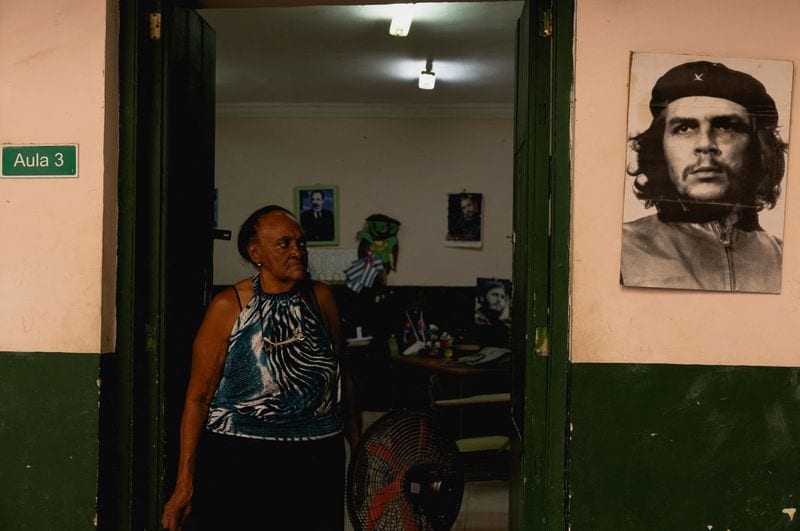
Cuba is set to begin its academic year next week, proceeding with plans despite a severe ongoing crisis impacting transportation, electricity, teacher numbers, and essential supplies like uniforms. Education Minister Naima Trujillo announced that nearly 1.4 million children and adolescents will return to school in early September. Trujillo acknowledged the extraordinary challenges faced by educators due to what she described as 'collective asphyxiation,' framing the school year's successful execution as its greatest victory.

The situation has deteriorated since June, with transportation and electricity failures leading to an early summer break for students. These issues have been exacerbated by intensified sanctions from the administration of U.S. President Donald Trump, which Havana claims are aimed at damaging its economy and hindering its ability to provide basic services. Cuba has historically prided itself on its free and universal state-provided education, but current shortages, worsened by U.S. sanctions, are raising questions about the model's sustainability.

Official statistics indicate that teacher coverage in Cuban schools has fallen to 73%, with many educators emigrating or seeking better-paying employment. To address this, Trujillo stated that the sector plans to hire university students, professionals from other fields, and recall retirees, alongside offering additional compensation. Havana province, facing critical staffing shortages, will receive approximately 3,000 teachers from more adequately staffed eastern provinces. Furthermore, shortages have severely impacted school uniform distribution, with available official garments meeting only 12% of the demand for primary school children due to factory blackouts. Schools have been advised to be flexible and welcome students in comfortable attire and their traditional red neckerchiefs.

Frequently asked questions

The school year is scheduled to begin at the start of September.

The system faces severe shortages in transportation, electricity, teacher numbers, and essential supplies like school uniforms.

The government plans to hire university students, professionals from other sectors, and retirees, and is reassigning teachers from better-staffed provinces.

Official school uniforms are available for only 12% of primary school children due to factory blackouts.

What Happens Next

01Schools will begin the new academic year in early September.
02The government will implement measures to address teacher shortages and supply issues.

How It Developed

Cuba will begin its school year as planned in September.
The education minister acknowledged the impact of 'collective asphyxiation' on the school system.
The crisis has worsened since June due to transportation and electricity issues.
U.S. sanctions have been intensified by the Trump administration.
Teacher coverage has fallen to 73% as many have emigrated or sought other work.
University students, professionals, and retirees will be hired to fill staffing gaps.
School uniform availability meets only 12% of primary school demand due to blackouts.
Schools are urged to accept students in comfortable clothing and traditional neckerchiefs.

Sources

T1
Cuba readies to kick off school year despite scant suppliesReuters

Related Stories

Guterres expects US budget contribution 'very soon'
27 Aug · 2:48 PM
Eswatini receives two more third-country deportees from US
27 Aug · 6:59 PM
US weighs new tariffs on semiconductors and tech goods
27 Aug · 9:31 AM
Farm, biofuel groups urge Trump to reject refinery exemption expansion
27 Aug · 4:03 PM
Meta, Roblox agree to child-safety measures sought by Philippines
27 Aug · 3:03 PM