Key facts
- Egypt's Shams El-Senaa program targets 1,000 MW of solar capacity across about 7,000 factories, the government said.
- Prime Minister Mostafa Madbouly directed that later phases extend beyond factories to government buildings and other facilities.
- Egypt aims to source 42% of its electricity from renewables by 2030 and 60% to 65% by 2040 under its ISES 2035 strategy.
- Solar generation costs roughly $0.02/kWh in Egypt versus over $0.06/kWh for fossil fuels, according to the report.
- Egypt's solar PV capacity is projected to grow from roughly 2.9 GW to 34.3 GW by 2035, the report said.
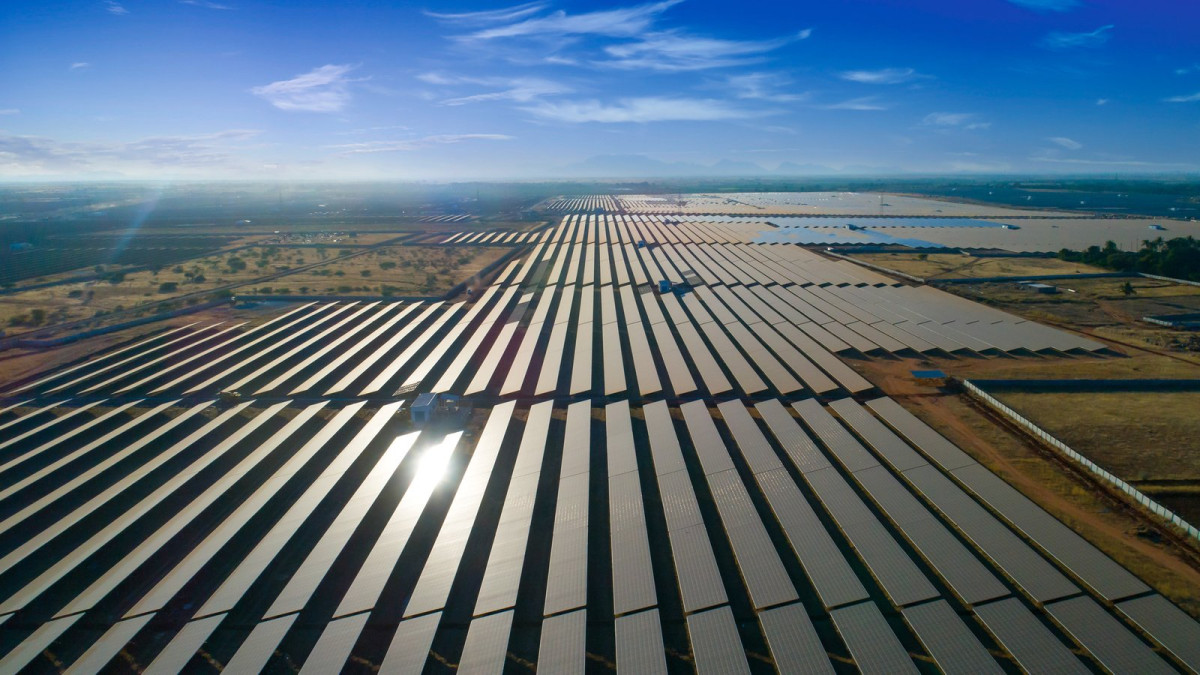
- The Obelisk solar farm in southern Egypt, built with $600 million in investments and Chinese technology, generates around 1.1 GW.
Egypt's government launched Shams El-Senaa, a program targeting 1,000 MW of solar capacity across about 7,000 factories, as part of a strategy to raise the share of renewables in its electricity mix. Prime Minister Mostafa Madbouly reviewed implementation mechanisms with Minister of Electricity and Renewable Energy Mahmoud Esmat and directed that later phases extend beyond factories to government buildings and other facilities, according to a November 4 Instagram post by CairoScene.
Madbouly said the initiative is intended to diversify energy sources, reduce production costs, improve industrial competitiveness and support local manufacturing of solar equipment. He stressed efficient operation and maintenance, including regular inspections of panels, transformers, connection systems and control equipment, backed by specialized technical training. Esmat said the program is expected to reduce factories' electricity bills and natural gas consumption while supporting production efficiency and export competitiveness, and to increase local content in renewable energy components.
Egypt aims to source 42% of its electricity from renewable energy by 2030 and 60% to 65% by 2040 under its Integrated Sustainable Energy Strategy, known as ISES 2035. Fossil fuels, mainly natural gas and petroleum, account for roughly 87% of Egypt's electricity generation, with renewables around 13%, split between 6% hydropower and 7% wind and solar, according to the report.
The report said Egypt's solar PV capacity is projected to grow from roughly 2.9 GW to 34.3 GW by 2035, and that solar generation costs roughly $0.02/kWh compared with over $0.06/kWh for fossil fuels. It cited fossil fuel subsidies of around $7 billion annually. Other initiatives named include the Obelisk solar farm in southern Egypt, built with $600 million in investments and Chinese technology, generating around 1.1 GW, and the Benban Solar Park.
A separate nationwide project is being prepared to install solar systems on government building rooftops. The report also said the government had signed around 32 Power Purchase Agreements with private developers by 2025 for 1,465 MW of renewable energy, and that the El Dabaa nuclear plant is expected to contribute around 4.4 GW once operational.