Key facts
- COP31 President Murat Kurum said the conference would reconvene later on Sunday morning to approve the deal.
- The latest text was not immediately made public, and it was unclear if negotiators had received the wording overnight.
- Delegations had until 03:00 GMT on Sunday to raise any objections to the deal.
- A session was scheduled at 06:00 GMT to begin approving the deal.
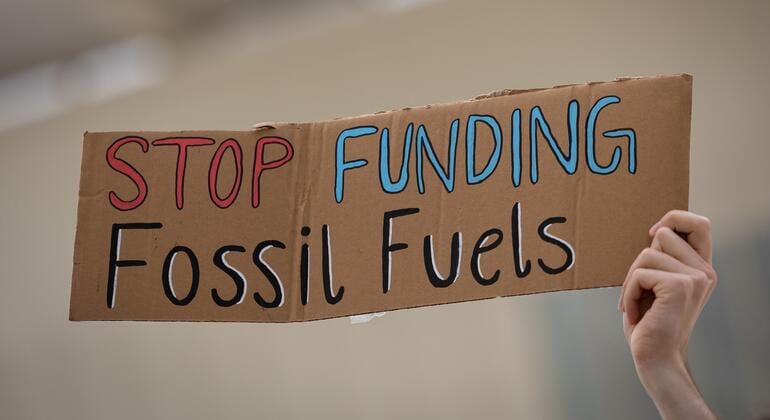
- An earlier draft had drawn strong condemnation for failing to mention fossil fuels.
- Kurum said he believed concerns around fossil fuels had been addressed, as had those around helping developing countries finance their adaptations to climate change.
COP31 President Murat Kurum told a late-night plenary session on Saturday that negotiators should consider a last-minute proposal to reach an agreement, as talks in the Turkish city of Antalya stretched into a second day of overtime over the fossil fuels issue. Kurum, who is also Turkiye's environment minister, said the conference would reconvene later on Sunday morning to approve the deal. The latest text was not immediately made public, and it was unclear if negotiators had received the wording overnight, which would give nations only a few hours to submit objections and changes. Delegations had until 03:00 GMT on Sunday to raise any objections to the deal, with a session scheduled at 06:00 GMT to begin approving it.
An earlier draft had drawn strong condemnation for failing to mention fossil fuels, the largest contributors to climate change. Kurum said he believed concerns around fossil fuels had been addressed, as had those around helping developing countries finance their adaptations to climate change. The new text followed intensive consultations between Australia, which is leading the talks; Turkiye, which is hosting the meeting; and nearly 200 delegations from many of the world's richest, poorest, largest and smallest nations.
The summit's agreement is meant to address how the world will deal with climate change, which drives heatwaves, floods and other disasters. An opening draft from Australia on Monday called for a faster phase-out of fossil fuels. A slimmer version on Thursday removed every mention of them after Saudi Arabia and other major oil and gas producers objected. Key issues that slowed down the agreement included how much effort countries should make to wean themselves off fossil fuels, such as coal, oil and gas. Other issues included whether to encourage industrial carbon capture and storage of pollutants, as well as whether ramping up electricity should only be done with renewables, such as wind and solar, or also involve other sources like natural gas and coal.