Key facts
- Concert residencies involve multiple performances at a single venue, with Pollstar defining them as 10 or more shows.
- Pioneered in Las Vegas by Liberace in 1955, residencies were historically seen as a way for declining artists to earn money.
- Celine Dion's "A New Day..." residency (2003-2007) grossed over $385 million and is credited with revitalizing the concept.
- Residencies reduce touring costs for artists by minimizing transportation of staff and equipment.
- The trend can lead to increased profits for artists or lower ticket prices, while also boosting local tourism.
- Independent venues face fewer tour stops as artists opt for longer runs in established markets.
Concert residencies, a trend where artists perform multiple shows at a single venue rather than embarking on traditional city-to-city tours, are reshaping the music industry's economics. This format, defined by Pollstar as a series of 10 or more shows in one location, offers significant advantages for artists and large-scale venues.
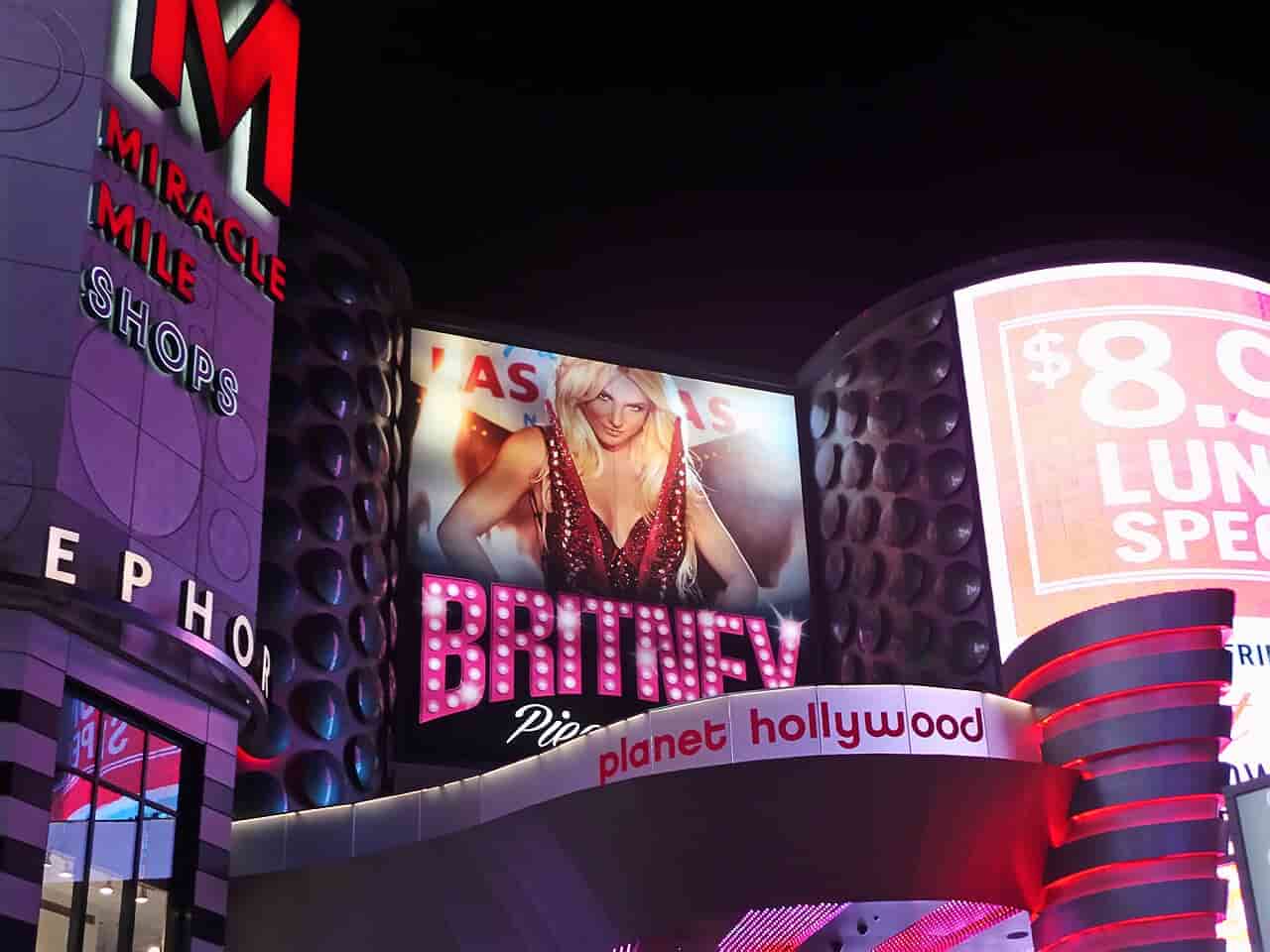
Historically, Las Vegas residencies were often viewed as a last resort for artists in decline, a perception that began to shift with Celine Dion's highly successful "A New Day..." show from 2003 to 2007. This residency grossed over $385 million and is credited with revitalizing the concept into a form of theatrical entertainment.
Modern residencies, such as Harry Styles's recent performances at Madison Square Garden, are driven by both economic efficiencies and the rising costs associated with traditional touring. Factors like fuel, labor, and insurance expenses make touring increasingly challenging. Residencies allow artists to reduce transportation costs for their staff and large productions, leading to higher profit margins or the potential for lower ticket prices. Furthermore, these extended engagements enable artists to pursue more creatively ambitious, destination-focused shows.
The popularity of residencies also generates a significant boost in local tourism, benefiting hotels, restaurants, and transportation services in the host cities. This creates an economic ripple effect within entertainment-centric areas.
However, the growing prevalence of residencies raises concerns for independently owned and operated venues. As major artists book multi-night runs in established markets, they may bypass smaller cities and their venues altogether, leading to a consolidation of the market. This trend is seen as benefiting large corporations like Live Nation and MGM, while potentially limiting opportunities for independent venues and mid-level artists.