Key facts
- China's DeepSeek has released its V4 Pro, an open-weight AI model.
- Open-weight models are free for anyone to download and use.
- The release has prompted debate in the US about potential government responses.
- Concerns include data security, implicit bias towards China, and the impact on US AI companies' investments.
- Proponents of open-weight models argue they accelerate innovation and can coexist with proprietary projects.
- There are conflicting reports on whether the US government will ban advanced Chinese AI models.
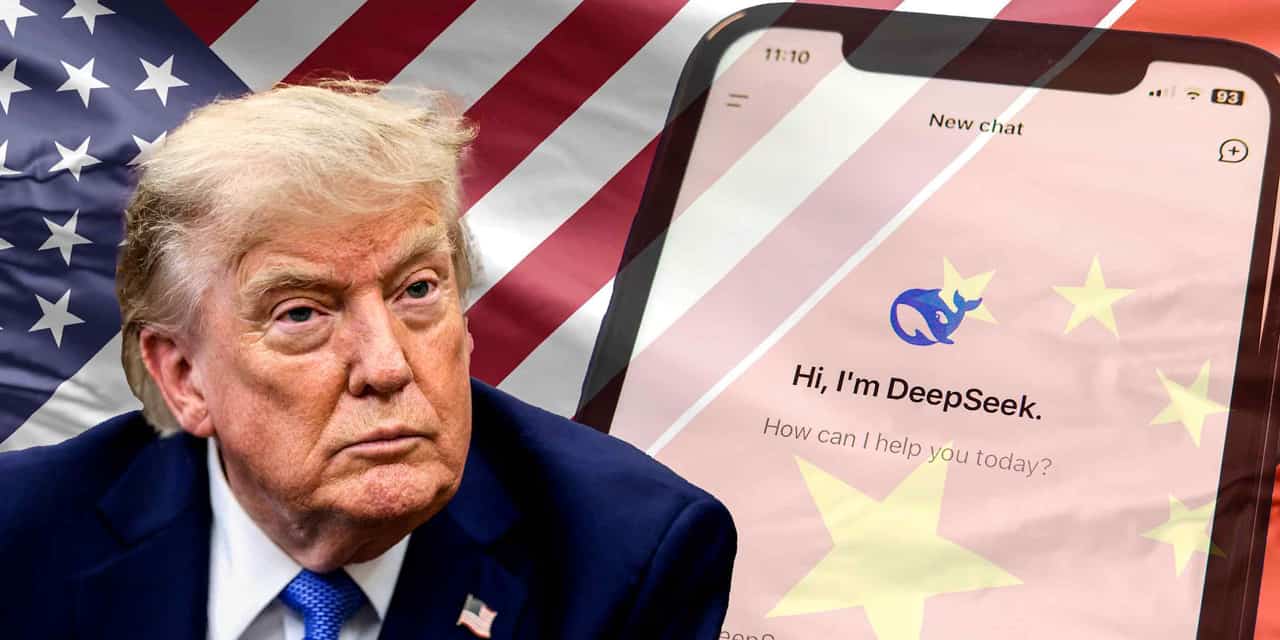
China's DeepSeek has released its latest open-weight AI model, V4 Pro, sparking renewed debate in the United States about how to respond to the growing capabilities of Chinese artificial intelligence technology. Open-weight models are freely available for download, presenting both opportunities for innovation and potential challenges for US AI companies and policymakers.
The release of V4 Pro has intensified discussions in Washington and Silicon Valley. Concerns have been raised about protecting US data, potential biases within Chinese models, and the impact on the significant investments made by major US AI firms like OpenAI and Anthropic. These companies benefit from closed, proprietary models, and the proliferation of cheaper, open alternatives could reduce their profit margins.
However, proponents of open-source AI, including tech figures like Yann LeCun and Martin Casado, argue that open software accelerates innovation and can coexist with proprietary projects. They question the justification for government intervention in a free market, particularly when open models might help close security gaps that proprietary models refuse to address.
Conflicting reports have emerged regarding potential US government action. While some suggest the Trump administration is considering banning advanced Chinese AI models, others indicate the Department of Commerce is unlikely to take such a step soon. Experts like Sam Bresnick question the rationale for protecting specific companies from foreign competitors based on their origin, especially given the strategic importance of AI to US military operations.