Key facts
- Boeing is trying to finalize a May deal for China to buy 200 planes.
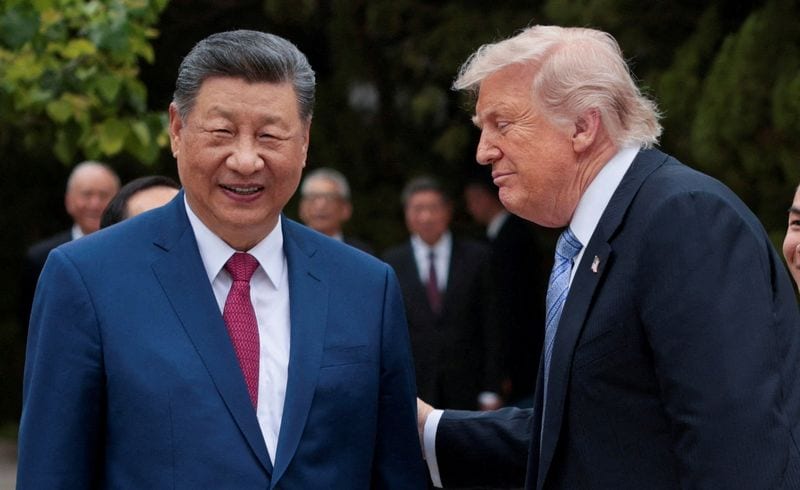
- Hopes for a new commitment for hundreds more jets are sinking ahead of a summit between US President Donald Trump and Chinese President Xi Jinping.
- Boeing has been effectively shut out of Chinese jetliner orders since 2017.
- China is expected to order around 9,000 new jets by 2045.
- US and Chinese officials are focused on extending a trade truce and discussing AI safeguards, weapons sales to Taiwan, and trade deals on soybean and rare earth mineral exports.
- The US and China have agreed to extend a trade truce by two months.
Hopes for a new commitment from China to purchase hundreds of Boeing planes are diminishing ahead of a summit between US President Donald Trump and Chinese President Xi Jinping, according to people briefed on the matter. Boeing is instead focused on finalizing a provisional deal from May for China to buy 200 aircraft, as negotiations remain uncertain.
Boeing has been largely excluded from Chinese jetliner orders since 2017, while its European competitor Airbus has increased its market share in China, one of the world's largest aviation markets. China is projected to order approximately 9,000 new jets by 2045.
Earlier discussions for a deal involving up to 500 jets were expected to be catalyzed by previous Trump-Xi summits. Following the May summit, Boeing CEO Kelly Ortberg described the 200-jet deal as an "initial tranche," with the reopening of the Chinese market being the primary success. Investors and analysts had anticipated a larger order at the upcoming summit, but Ortberg recently tempered those expectations, stating that securing the existing 200-jet order would be a victory.
Scott Kennedy, a China specialist at the Center for Strategic and International Studies, noted that brokering new aircraft deals is not a top priority for this summit. Instead, US and Chinese officials are concentrating on extending a trade truce and discussing artificial intelligence safeguards, arms sales to Taiwan, and trade agreements for soybean and rare earth mineral exports.
Boeing declined to comment beyond Ortberg's recent remarks. China's commerce ministry, its embassy in Washington, and the US Trade Representative's Office did not respond to requests for comment.
Separately, the US and China have agreed to extend their trade truce by two months, a move announced by US Treasury Secretary Scott Bessent.