Key facts
- Millennial Taylor Scriber is concerned about rising property taxes in Texas due to abatements for older and disabled homeowners.
- Nearly 40% of homesteads in Texas pay no property taxes for school districts, with about 61% of older and disabled homeowners benefiting.
- Older Americans' retirement income is often below expectations, with over 57% earning under $40,000 annually.
- Social Security benefits may be reduced for older Americans without congressional action.
- Only a quarter of 18- to 49-year-olds are confident in the future of Social Security, according to an AARP survey.
- Voters aged 65 and older were overrepresented in the 2024 election by 3.5 percentage points compared to younger age groups.
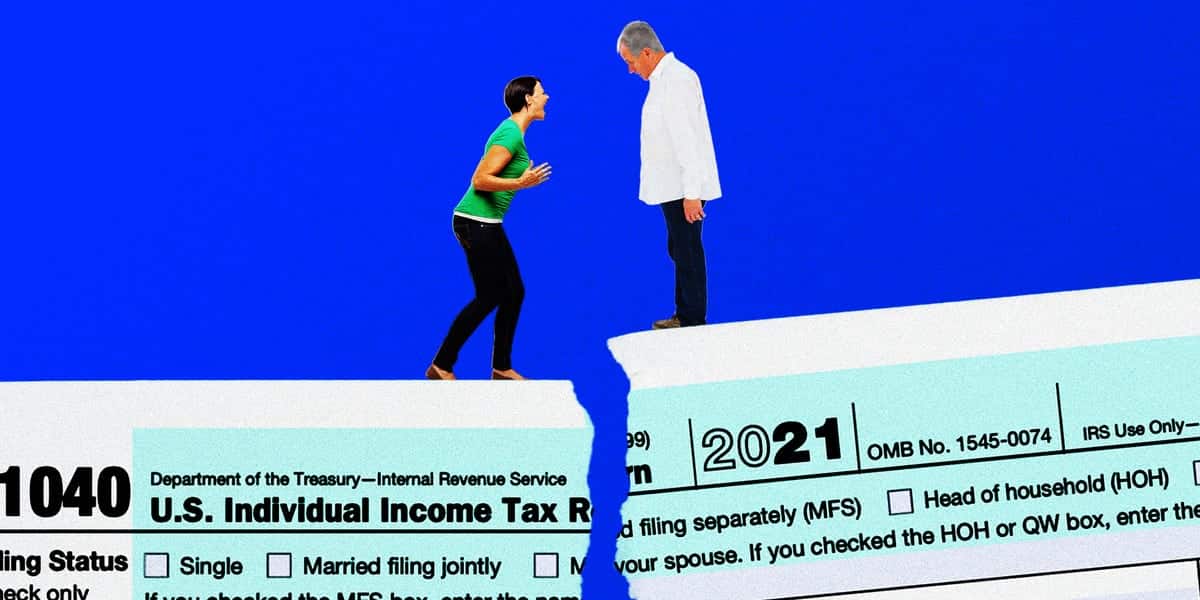
A growing tax battle is unfolding in the United States, primarily between baby boomers and millennials, over who should bear the financial responsibility for social safety nets and municipal services. Millennials like Taylor Scriber in Texas are concerned that property tax cuts for older residents and those with disabilities will lead to increased tax burdens for younger generations, especially in states without income tax where property taxes are crucial for funding local services.
Scriber notes that while older individuals may initially sympathize with his concerns about intergenerational equity, they often prioritize their own desire for lower property taxes. This sentiment reflects a broader trend where tax policies are increasingly seen as individualistic rather than collective support mechanisms, potentially leading to significant economic consequences.
Both younger and older generations are experiencing economic precarity. Boomers, who entered the workforce as pensions declined, are finding their retirement savings insufficient due to rising costs, including property taxes, and potential cuts to Social Security. Younger generations face a 'career apocalypse' with slowed real income growth and low confidence in the long-term availability of Social Security and Medicare, feeling unfairly burdened by taxes that seem to offer diminishing returns.
The imbalance in political power exacerbates the issue, with older demographics voting at higher rates. Emily Ekins of the Cato Institute highlights that lawmakers tend to be more responsive to the demands of older voters. This has led to targeted tax carve-outs for seniors, such as subsidies on state income taxes, which are often poorly targeted and disproportionately benefit wealthier seniors, according to the Institute on Taxation and Economic Policy.