Key facts
- Prime Minister Andy Burnham plans to end the state pension triple lock from 2030.
- The change aims to generate significant savings to fund a new national care service.
- Pensions will increase annually by at least inflation or 2.5%, and hold their value relative to earnings over time.
- Burnham stated Brexit has done more harm than good and wants closer UK-EU ties.
- Labour will contest the next election with a manifesto commitment to change the electoral system.
- Burnham also proposed greater public control over housing, water, and energy services.
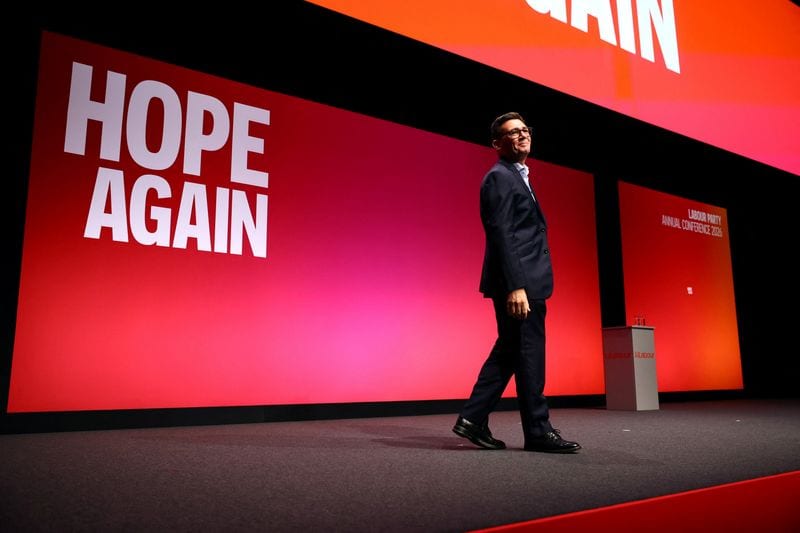
Prime Minister Andy Burnham has outlined a vision for Britain that includes ending the state pension triple lock from 2030 to help fund a new national care service. In his first Labour Party conference speech as prime minister, Burnham also expressed a desire for closer ties with the European Union, stating that Brexit has done more harm than good.
Burnham's plan would adjust the triple lock, which currently ensures state pensions rise annually by inflation, average earnings, or 2.5%, whichever is highest. Under his proposal, pensions would still rise by at least inflation or 2.5% and maintain their value relative to earnings over time, but the automatic link to average earnings would be removed. Officials suggest this change could save £15 billion annually by 2040, though the Institute for Fiscal Studies noted savings would be small initially and rise substantially over time, potentially not enough to fund universal social care in the next parliament.
Burnham acknowledged that these reforms might carry a political price but argued they are necessary. He also proposed greater public control over housing, water, and energy services, with legislation planned to put public ownership of water companies back on the agenda. He indicated that councils would be given more power to acquire private rented homes in poor condition.
On the international front, Burnham stated his intention to explore options for Britain's long-term relationship with the EU, asking all political parties to contribute to this work. He also committed to changing the electoral system to ensure "everyone's vote counts" and announced plans to invest in young people and reform the welfare system.
The proposals drew immediate criticism. Conservative leader Kemi Badenoch suggested Labour's plans would necessitate further tax increases, while Reform UK's Nigel Farage accused Burnham of targeting the elderly. Liberal Democrat leader Sir Ed Davey emphasized the need for social care reform without delay and without burdening pensioners.