Key facts
- Sony plans to stop producing physical discs for PlayStation games by 2028.
- The move reflects a growing preference for digital media over physical discs.
Following Sony's announcement to transition PlayStation to digital-only game discs by 2028, various brands have leveraged the decision for online marketing. Companies like KFC and Proton have used the shift to digital as a basis for humorous social media campaigns, tapping into fan concerns about ownership and media preservation.
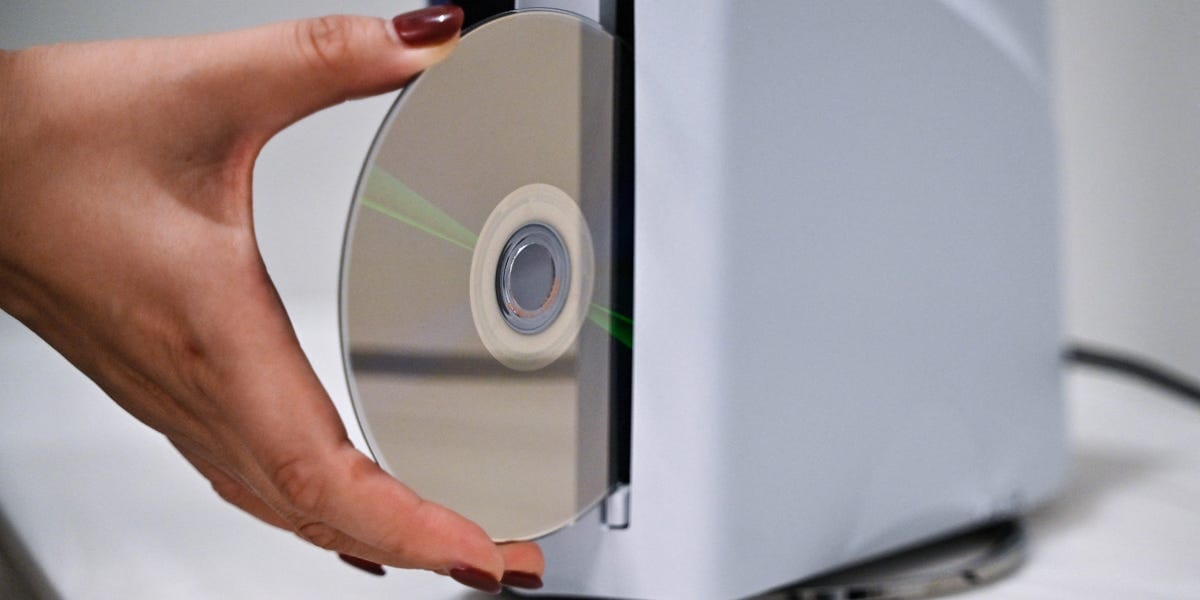
Sony's move to an all-digital PlayStation future highlights a significant industry trend away from physical media, raising consumer concerns about ownership and preservation, while also providing brands with opportunities for viral marketing campaigns.
Sony's decision to cease production of physical discs for PlayStation games by 2028 has ignited a wave of online reactions, with numerous brands seizing the opportunity for marketing. Companies across various sectors, from fast food to privacy software, have posted humorous content on social media, using Sony's all-digital future as a springboard for jokes and commentary.
The shift, which Sony attributes to the significant preference for digital media over physical discs, has also fueled broader fan backlash. Concerns about digital ownership, the long-term preservation of media, and the implications of relying solely on downloads have been mounting within the gaming community. This sentiment was recently echoed when Rockstar Games announced that Grand Theft Auto VI would be sold with a download code instead of a physical disc, sparking a similar debate.
Brands have actively engaged with this discourse. Gaming accessory maker GameSir humorously suggested it would stop making physical controllers, pivoting to "downloadable ones" controlled by "quantum entanglement and pure imagination." KFC España and Domino's UK drew parallels between digital game codes and virtual food, with Domino's comparing the move to replacing pizzas with download codes for a "virtual sense" experience. In a contrasting move, privacy-focused Proton joked about offering physical versions of its digital services, such as hand-delivered encrypted letters for Proton Mail and a "smart employee" for Lumo AI, highlighting the continued physical nature of many essential services.
Pick the topics you care about. Get only what matters, on your cadence.