Key facts
- Workers blocked a major highway in Gazipur and set fires after rumors spread that a worker had died, police and witnesses said.
- Police fired tear gas and sounded grenades to disperse protesters who refused to clear the route, police said.
- Gazipur Industrial Police Superintendent Mohammad Amjad Hossain said no worker died.
- Workers demand the minimum monthly wage more than double to 30,000 taka ($241) from 12,500 taka.
- Industry leaders said an increase of more than 15% would be unsustainable, citing rising costs and weak global demand.
- The Bangladesh Garment Manufacturers and Exporters Association estimates disruptions over 18 days cost 317 factories about $428 million in lost production.
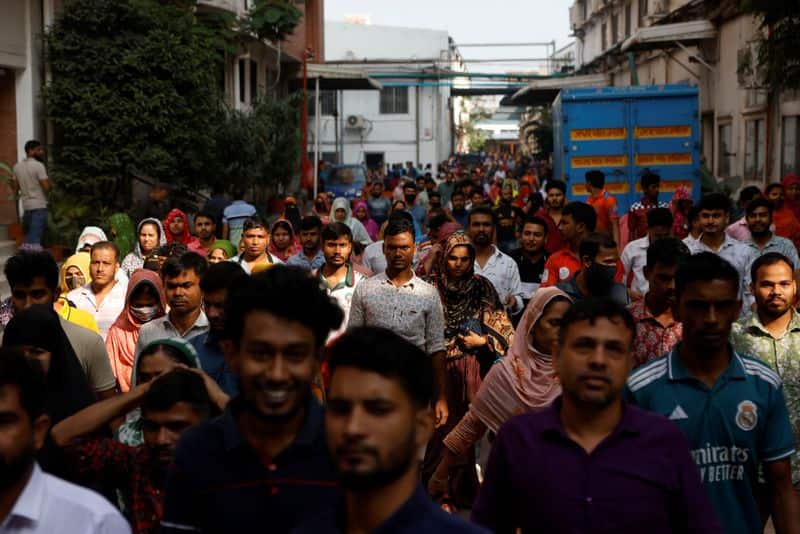
Bangladesh garment workers blocked roads in a key industrial belt on November 24, 2026, prompting police to fire tear gas and sound grenades as pay protests disrupted production and forced dozens of factories to suspend operations, police said.
The protests over pay have triggered repeated factory shutdowns and clashes since early November in Bangladesh, the world's second-largest garment exporter after China. The disruptions are testing the cost advantage of an industry that supplies global retailers including H&M, Gap and Walmart, employs more than 4 million workers and generates more than 80% of the country's export earnings.
The government-appointed wage board was holding talks on November 24 on a new minimum wage for garment workers, a day after factory owners submitted their proposal. Wage board chairman Syed Azad Subhani said talks were ongoing and expressed hope for a final decision later on November 24.
In Gazipur, on the outskirts of Dhaka, workers blocked a major highway and set fires after rumors spread that a worker had died, prompting police to fire tear gas and sound grenades to disperse protesters who refused to clear the route, police and witnesses said. "No worker died," Gazipur Industrial Police Superintendent Mohammad Amjad Hossain said.
Authorities later shut nearby shops and deployed paramilitary personnel along the route, while the blockade caused severe traffic congestion in the area.