Key facts
- Robinhood has rejected AMC Entertainment's demand to stop trading tokens tied to its stock.
- Robinhood's chief legal officer, Dan Gallagher, challenged AMC to send its lawyers to discuss the matter.
- AMC CEO Adam Aron had previously called the tokens 'contemptible' and 'vile,' questioning their legality and lack of registration under U.S. securities laws.
- Robinhood CEO Vlad Tenev expressed support for the stock tokens.
- Legal experts suggest AMC's claims might hinge on trademark misuse or misleading consumers.
- Some legal opinions indicate that stock tokens could increase access to U.S. markets for international investors.
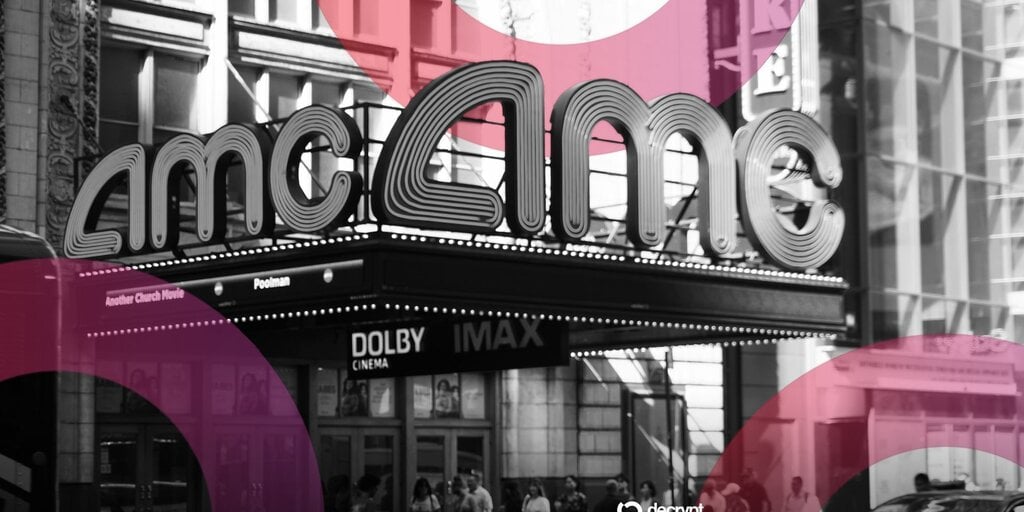
Robinhood has rejected AMC Entertainment's demand to cease trading tokens tied to its stock, with the brokerage's top lawyer challenging the theater chain to pursue its legal threats. Dan Gallagher, Robinhood's chief legal, compliance and corporate affairs officer, responded on X to AMC CEO Adam Aron, stating, 'Send your lawyers and we’ll educate them.' Gallagher, a former Securities and Exchange Commission commissioner, asserted that Robinhood understands U.S. securities laws and would not comply with the 'DECIST' demand.
Robinhood CEO Vlad Tenev shared Gallagher's post, adding, 'We stand behind Stock Tokens.' Aron had previously accused Robinhood of marketing a security that poses as AMC stock without complying with U.S. securities laws, questioning its use of an issuer in Jersey and arguing that the tokens undermine shareholder rights and companies’ control over capital raising. He had called on Robinhood to voluntarily cease and desist trading the tokens, threatening legal action if they did not comply.
Tokenized stocks are blockchain-based assets that track publicly traded companies' shares. According to Robinhood's disclosures, these tokens are debt securities issued by Robinhood Assets (Jersey) Limited, providing exposure to share prices without ownership of the underlying shares or rights against companies like AMC. The disclosures state the tokens are not registered under U.S. securities laws and cannot be offered or sold to U.S. persons.
Legal experts suggest AMC's potential claims could depend on trademark use or whether buyers are misled. Ashley Ebersole, legal counsel for tx, noted that AMC might allege misuse of its trademark or a false association with the company. However, Robinhood could counter by clearly identifying the products as tracking tokens without AMC's endorsement or arguing fair use. Russell Klein, a crypto lawyer, stated that clear disclosures distinguishing the tokens from shares could limit AMC's options, suggesting that if Robinhood makes it clear the tokens are derivatives and not the company's shares, AMC may have recourse only through legal threats and lobbying regulators.
Daniel Lasko, general counsel at Arcus, questioned AMC's ability to prevent such products, comparing the arrangement to an ETF. He argued that publicly traded companies have limited control over how their stocks are packaged into financial products and that these tokens could actually promote investment in U.S. capital markets by attracting international investors.