Key facts
- FinCEN identified $12.7 billion in crypto transactions linked to overseas scam centers.
- The analysis covered 33,904 suspicious activity reports filed between September 2023 and December 2025.
- Scams included pig butchering, romance scams, and cryptocurrency confidence schemes.
- Transnational criminal organizations based in Southeast Asian compounds were largely behind the scams.
- Ethereum, USDT, and USDC were the most commonly used digital assets.
- Victims financed scams through retirement accounts, home equity, and personal loans.
The U.S. Treasury Department's Financial Crimes Enforcement Network (FinCEN) has linked approximately $12.7 billion in suspicious financial activity to cryptocurrency investment scams orchestrated from compounds in Southeast Asia. The findings are based on an analysis of 33,904 suspicious activity reports filed by around 1,300 financial institutions between September 2023 and December 2025.
Crypto money services businesses filed 55% of the reports, flagging $5.5 billion, while banks filed 41% and flagged $6.4 billion. Securities firms accounted for the remaining $784.5 million. The number of filings and reported sums showed significant monthly growth, though FinCEN cautioned this could partly reflect increased reporting and potential double-counting.
Scammers utilized at least 22 digital assets, with Ethereum, USDT, and USDC being the most common. Proceeds were consistently converted into stablecoins, primarily USDT, and moved through decentralized finance (DeFi) protocols or exchanges located outside the U.S. Collection addresses were often reused across multiple victims, aiding detection by financial firms.
Contrary to common assumptions, FinCEN's analysis indicated that older adults were not disproportionately victimized. Elder exploitation appeared in about 25% of reports, aligning with their share of the population. This contrasts with FBI data showing $4.8 billion in fraud losses among Americans over 60 in 2024.
Victims financed these scams through various means, including retirement accounts, home equity lines, second mortgages, and personal loans. Some individuals lost hundreds of thousands or over a million dollars. FinCEN also highlighted the risk of self-harm among victims discovering the fraud and directed them to crisis resources.
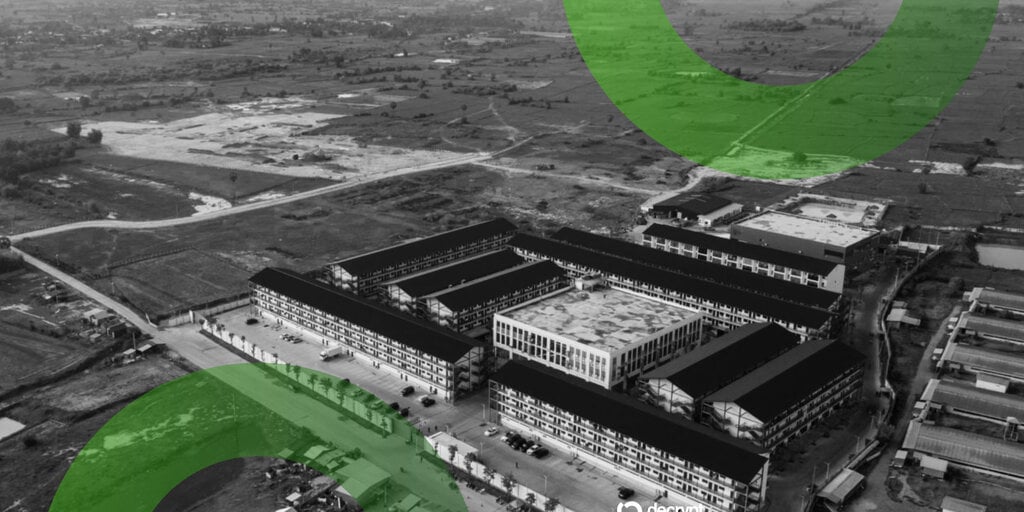
The compounds are primarily located in Cambodia, Laos, and Burma, employing hundreds of thousands of individuals, many of whom are trafficked through fraudulent job advertisements. Interpol has warned that this scam model is expanding globally. U.S. authorities have seized over $25 million linked to these schemes this year. Since 2015, FinCEN's Rapid Response Program has interdicted $1.8 billion and recovered more than $1 billion for 5,790 American victims.