Key facts
- Algeria has severed all diplomatic relations with the United Arab Emirates.
- Algeria cited "hostile actions" and the exhaustion of all means to preserve bilateral ties for its decision.
Algeria has severed all diplomatic relations with the United Arab Emirates, citing "provocative or hostile" acts and the exhaustion of all means to preserve bilateral ties. The Algerian Foreign Ministry informed the UAE ambassador of the decision and gave him 48 hours to comply.
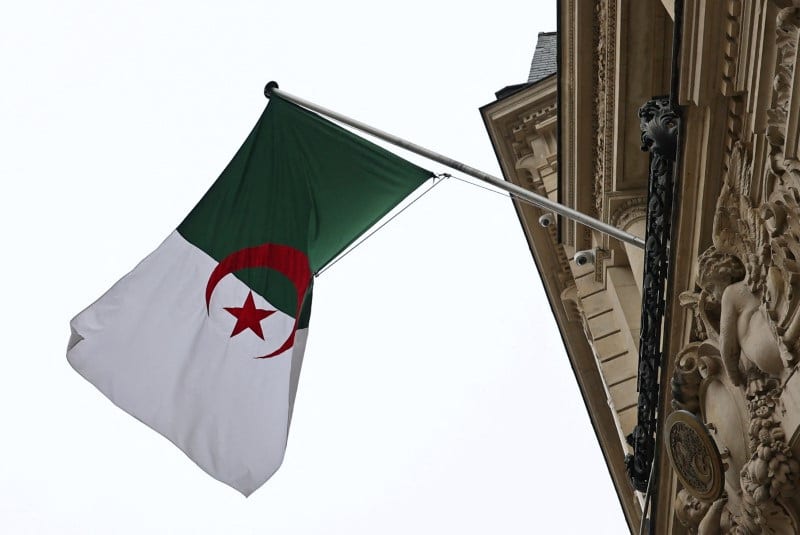
The severing of diplomatic ties between Algeria and the UAE highlights escalating regional tensions and differing geopolitical strategies in North Africa and the Middle East, potentially impacting regional stability and economic cooperation.
Algeria announced on Thursday that it would sever all diplomatic relations with the United Arab Emirates, citing "hostile actions" and the exhaustion of all means to preserve bilateral ties. The Algerian Ministry of Foreign Affairs stated that it had repeatedly warned the UAE about its behavior, which it deemed unacceptable between sovereign states.
Tensions between the two nations have escalated in recent years, with Algeria accusing the UAE of playing a destabilizing role in the Middle East and North Africa. Algerian media have labeled the UAE a "pyromaniac state" and condemned its "harmful role" near Algeria's borders. President Abdelmadjid Tebboune has previously alluded to the UAE's involvement in conflicts in Mali, Libya, and Sudan, referring to it disparagingly as a "dwarf state."
Andreas Krieg, an associate professor at King's College London, noted that Algeria perceives the UAE's regional strategy, which he terms an "axis of secessionists," as being directed towards Algeria itself. This includes alleged UAE support for groups like Khalifa Haftar in Libya and the Rapid Support Forces in Sudan, as well as potential outreach to the Kabylie autonomy movement (MAK), which Algiers considers a terrorist organization.
Further straining relations, Algeria began cancelling its bilateral air-services agreement with the UAE on February 7, 2026, a move widely interpreted as reflecting the UAE's interventions in the region. Krieg suggested that the decision was not due to a single incident but an accumulation of factors, including suspected outreach to separatists, the UAE's military presence in Libya and the Sahel, and its backing of Morocco on the Western Sahara issue.
Pick the topics you care about. Get only what matters, on your cadence.