Key facts
- Iran is producing ballistic missiles from existing components in underground facilities.
- The missiles are being assembled in more limited quantities than previously.
- The report cited officials from the United States and the Middle East.
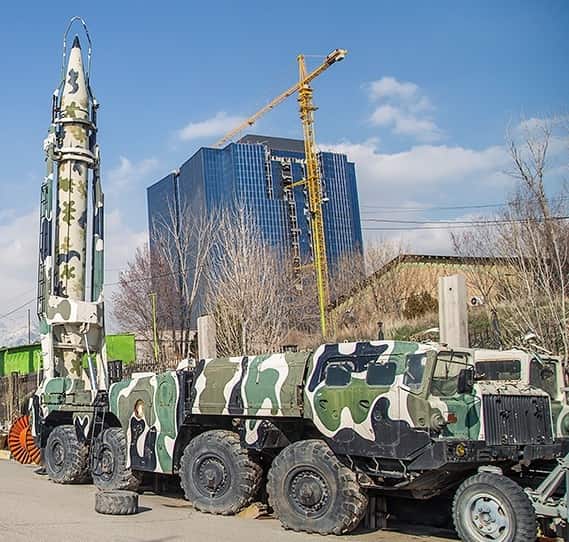
Iran has resumed producing ballistic missiles from existing components while working in underground facilities, the Wall Street Journal reported on Thursday, citing officials from the United States and the Middle East. The missiles are being assembled in more limited quantities than before the war, the report added.
The Islamic Republic of Iran's varied arsenal of short-range and medium-range ballistic missiles are intended to function as "deterrence through retaliation," as an immediate response option to attacks by foreign adversaries. The missile program is also seen as a tool for enhancing the capabilities of the Islamic Republic's non-state allies in West Asia and overall bolstering national defense capabilities. The program aims to offset its adversaries' conventional military superiority, particularly given that international sanctions against Iran since the 1979 revolution have hampered its ability to maintain and upgrade its air force. The Iranian government has adopted a "deterrence by punishment" approach to counter threats by enemies and rivals such as Saudi Arabia, Israel, and the United States. Concerns about the ballistic program's potential connection to Iran's nuclear ambitions, especially as a means for delivery of nuclear warheads, have led to international scrutiny and sanctions. The program is primarily led by two state entities: the Aerospace Industries Organization (AIO) and the Islamic Revolutionary Guard Corps (IRGC), which oversee several subordinate missile entities and front companies that procure needed ingredients, components, and equipment from foreign suppliers. The Self-Sufficiency Jihad Organization (SSJO) is tasked with advancing the country's ballistic missile capabilities.