Key facts
- Poppy cultivation in Afghanistan has risen sharply this year, quadrupling from 2025 to an estimated 43,300 hectares.
- Opium sales generated an estimated $525 million this year, the highest since 2018 (excluding 2022).
- 10 out of 34 Afghan provinces face critical levels of child malnutrition, with the number potentially rising to 14 in 2027.
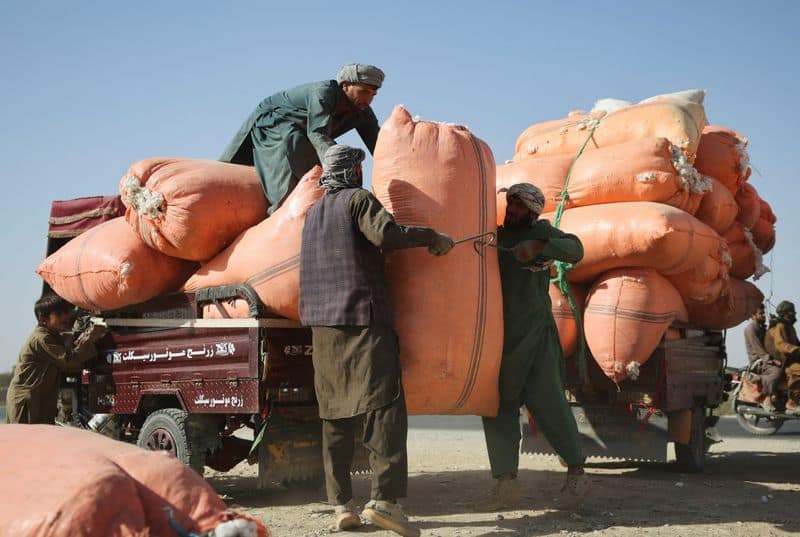
- Cotton prices have fallen by about two-thirds due to a nationwide glut and Pakistan's border closure.
- The Taliban dispute the UN's cultivation estimates, claiming actual cultivation is half the reported figure.
Carpets and mirrors in Mohammad Dawood's home in northern Afghanistan are relics of a time when a single poppy harvest could sustain his family. Now, he struggles to feed his children with legal crops like cotton and wheat, earning only a fraction of his former income. The Taliban's strict opium ban, enforced for four years, is fraying as farmers face severe economic pressure. Cultivation has risen sharply this year, with an estimated 43,300 hectares planted, a quadrupling from 2025, according to the UN Office on Drugs and Crime (UNODC).