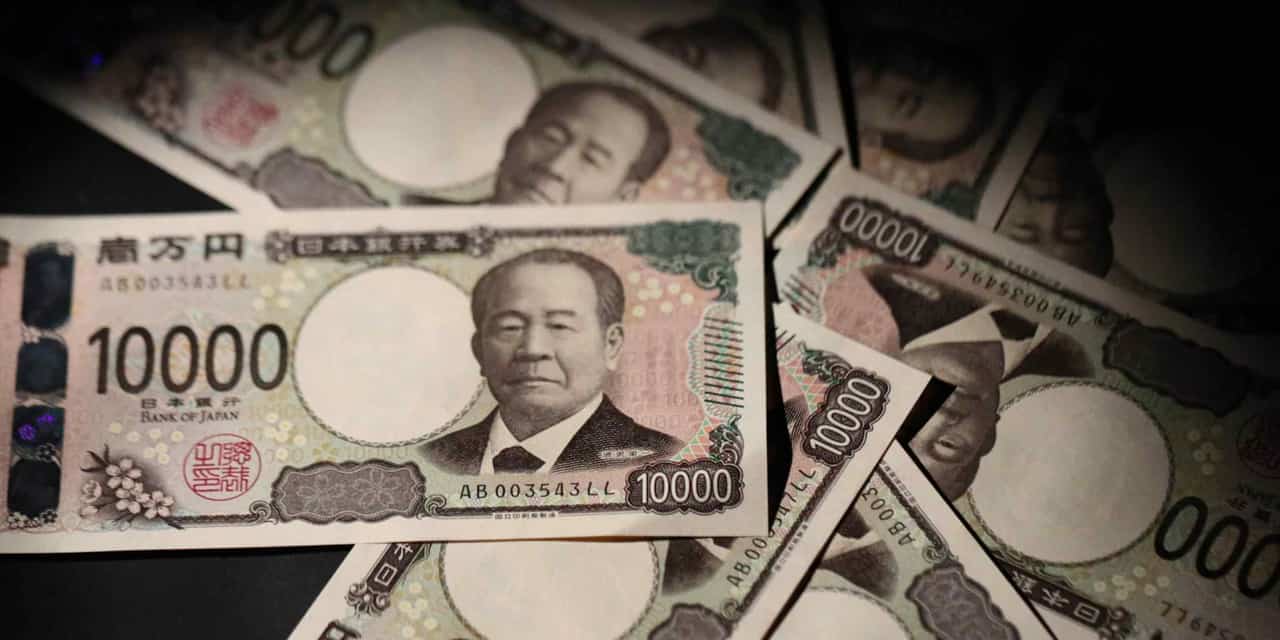
Key facts
- The Japanese yen has fallen to its weakest level in 39 years against the U.S. dollar.
- The exchange rate is nearing 160 yen per dollar.
- The yen's decline makes overseas education more expensive for Japanese students.
- The weaker yen makes Japan a more affordable destination for foreign visitors.
The Japanese yen has fallen to its weakest point in 39 years when measured against the U.S. dollar, with exchange rates approaching 160 yen per dollar. This sustained depreciation carries significant implications for various sectors of the Japanese economy and for its citizens. For Japanese students and their families pursuing education overseas, the weaker yen translates directly into higher costs. The price of tuition, living expenses, and other associated costs for studying in countries like the United States or Europe becomes considerably more expensive when converted back to yen. This could deter some students from pursuing international education or place a greater financial burden on those who do. On the other hand, the weakening yen makes Japan a more appealing and budget-friendly destination for foreign tourists. As the yen loses value relative to other major currencies, foreign visitors find their money stretches further, allowing for more affordable travel, accommodation, and spending within Japan. This could potentially lead to an increase in inbound tourism, providing a boost to Japan's hospitality and retail industries.