Key facts
- The Japanese yen has reached its lowest point against the U.S. dollar in 39 years.
- The exchange rate is nearing 160 yen to the dollar.
- The weakening yen significantly increases the cost of studying abroad for Japanese students.
- Japan has become a more affordable travel destination for visitors from Europe and North America.
- The Japanese government has raised visa application fees for foreign visitors.
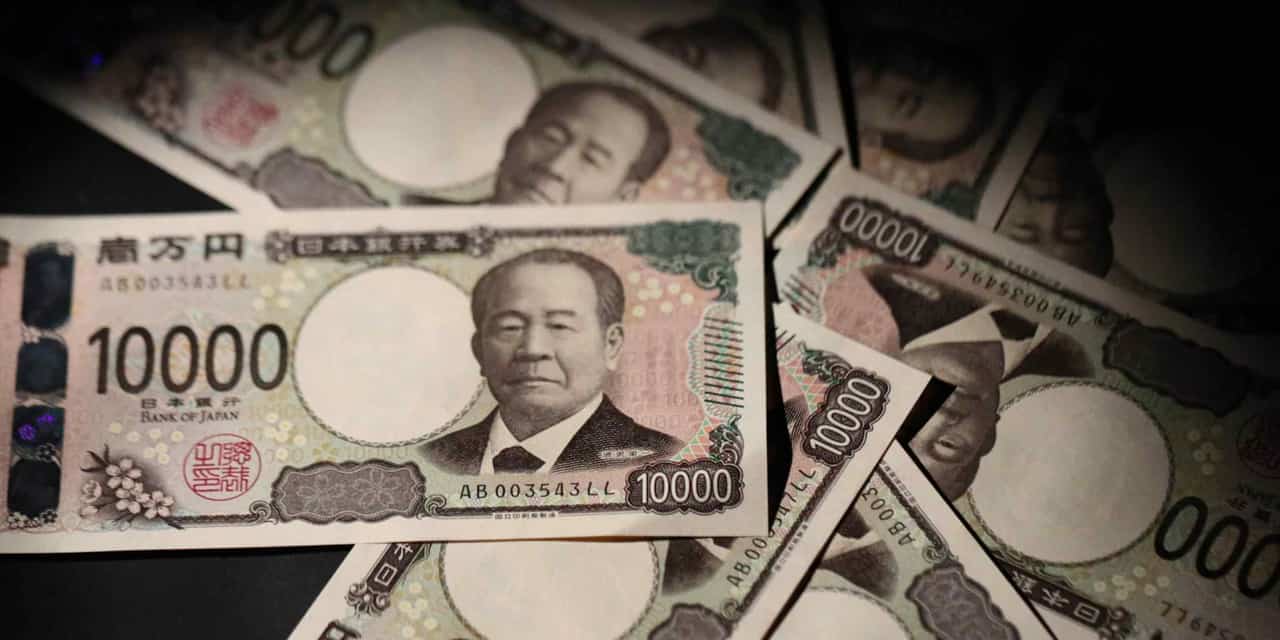
The Japanese yen has fallen to its weakest level in 39 years, with the exchange rate approaching 160 yen to the U.S. dollar. This significant depreciation is making overseas education substantially more expensive for Japanese students and their families, reminiscent of the author's own study abroad experience in the late 1990s, though the current situation is reversed.
Conversely, the weak yen has made Japan a highly attractive and affordable destination for foreign tourists, particularly those from Europe and North America. Despite the Japanese government's fivefold increase in visa application fees, the costs remain modest in dollar terms.
The persistent downward pressure on the yen has also raised market expectations for potential currency intervention by Japanese authorities. The government's long-term investment plan, totaling 370 trillion yen through fiscal 2040, amounts to just over $2 trillion when converted to dollars, highlighting the currency's impact on international financial perceptions.