Key facts
- The yen is nearing a 40-year low against the dollar.
- US inflation, measured by the PCE index, rose 4.1% in the year through May.
- Core PCE increased by 3.4%, both in line with economists' expectations.
- Markets still see about an 80% chance of a Fed rate hike in September.
- The US dollar has strengthened to one-year highs against major peers.
- Apple announced price hikes for iPads and MacBooks due to rising chip costs.
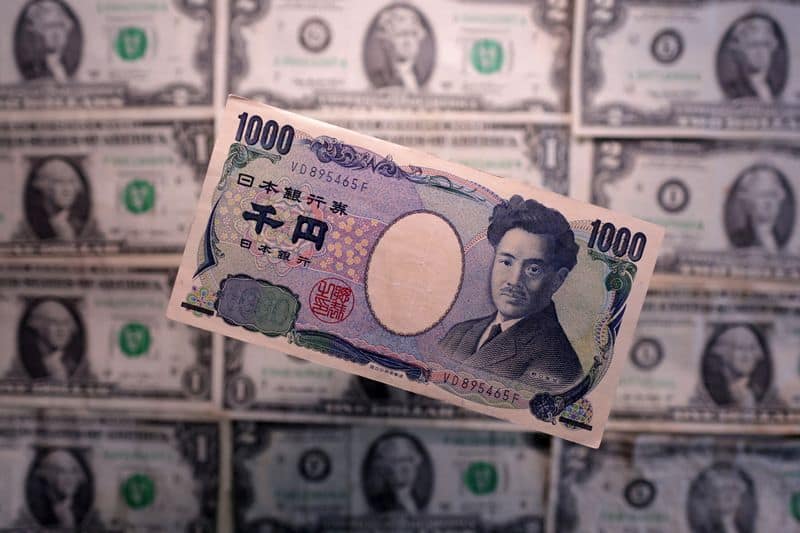
Global stock markets experienced reversals as the dollar rally and oil slump paused, with tech stocks weighing on Wall Street. The yen is nearing a 40-year low against the dollar, influenced by US inflation data and mixed signals from Federal Reserve officials.
Early in the week, major US indexes were dragged down by weakness in tech megacaps, a selloff that broadened into chip stocks, causing Korea's KOSPI to slide nearly 10% and the SOX chip index to shed about 8%. A strong earnings report from memory chipmaker Micron Technology initially stabilized markets, but Apple's announcement of price increases for iPads and MacBooks due to surging memory and storage chip costs led to another selloff in Asian markets. Apple's share price fell more than 6% overnight.
Amid market volatility, opinions on whether AI exuberance has become irrational remain divided. Some Wall Street firms are raising their year-end S&P forecasts, while others express concern about the Fed's 'bubble blind spot.' The Fed's policy trajectory is also a point of confusion, with significant gaps in rate expectations between banks, potentially leading to increased volatility.
In the UK, Prime Minister Keir Starmer announced his resignation, with Andy Burnham seen as a likely successor. UK markets reacted with no major movements, but attention is focused on Burnham's economic policies. Analysts suggest that without time for reforms, the UK's leadership changes may not fix underlying issues like tepid productivity growth and a large welfare bill.
Energy markets saw oil prices tumble to pre-war levels as crude shipments through the Strait of Hormuz reached their highest volumes since the conflict began. Traders are anticipating a sustainable US-Iran peace deal, despite a reported attack on a Taiwanese ship transiting the strait.
The US personal consumption expenditures (PCE) index, the Fed's preferred inflation gauge, rose 4.1% in the year through May, with core PCE increasing by 3.4%, both in line with expectations. While bets for an immediate Fed rate hike decreased, markets still anticipate an 80% chance of a hike in September. The strengthening US dollar, driven by expectations of tighter Fed policy, has reached one-year highs against major peers, though it softened slightly after the PCE data. The yen remains particularly weak against the dollar, near a 40-year low, with markets on intervention watch.