Key facts
- South Korea is transitioning its currency to a 24-hour trading cycle starting July 6.
- The move is intended to help South Korea achieve MSCI's "developed market" designation.
- Dealers express concern over potential liquidity gaps and disproportionate price swings.
- Reforms include allowing offshore investors to hold and trade the won directly.
- An offshore won settlement system and an overdraft policy are also being implemented.
- MSCI cited insufficient onshore liquidity as a reason for keeping South Korea in emerging markets.
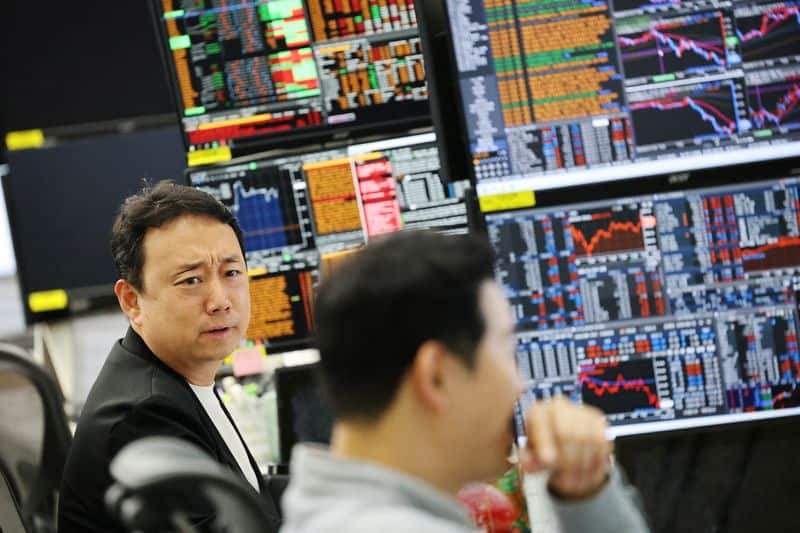
South Korea is set to implement a 24-hour trading cycle for its currency, the won, starting July 6, a significant shift aimed at boosting its global investment profile and potentially achieving "developed market" status from index provider MSCI. The transition, which banks are beginning to trial, is viewed with apprehension by some dealers, including veteran FX trader Namkoong Taehun, who fear increased workload and risks associated with thinner liquidity during off-peak hours.
Namkoong, who has 18 years of experience in the Seoul currency market, described the move as "daunting," contrasting the current expansive market with the more contained "9-to-3 game" of his early career. He noted a significant increase in demand for won assets from financial institutions, anticipating a substantial rise in his team's workload.
The government's objective is to dismantle long-standing currency restrictions, which have contributed to the "Korea Discount"—a tendency for South Korean assets to trade at a lower valuation compared to global peers due to factors like currency controls, policy unpredictability, and opaque corporate governance. Reforms include enabling offshore investors to directly hold and trade the won, establishing an offshore won settlement system, and introducing an overdraft policy to mitigate liquidity gaps.
Despite these efforts, MSCI recently maintained South Korea's emerging market classification, citing insufficient onshore liquidity even with extended trading hours. The next review is scheduled for a year from now. Shen Li, head of FX sales for APAC at State Street Hong Kong, suggested that the 24-hour extension could further enhance liquidity, noting that approximately 20% of current spot volume occurs during London morning hours.
Financial institutions are preparing for the round-the-clock trading by adjusting staffing. Hana Bank plans to add three staff to its three-shift schedule, while Woori Bank will double its UK-based team, and Shinhan Bank and KB Kookmin Bank are also increasing their international personnel. The need for constant vigilance was underscored by Shin Jae-min, another Hana Bank dealer, who recounted intense periods of order flow, such as during the SpaceX IPO, requiring work during unusual hours.