Key facts
- Two powerful earthquakes struck Venezuela's Caribbean coast last Wednesday.
- Over 1,700 people have officially died in the earthquakes.
- Tens of thousands of people are still missing.
- Survivors are criticizing the government's rescue efforts as slow and inadequate.
- Citizens have formed their own rescue crews.
- Medical professionals fear the spread of infectious diseases among survivors.
- Mexico's Topos Azteca rescue brigade has deployed to Venezuela.
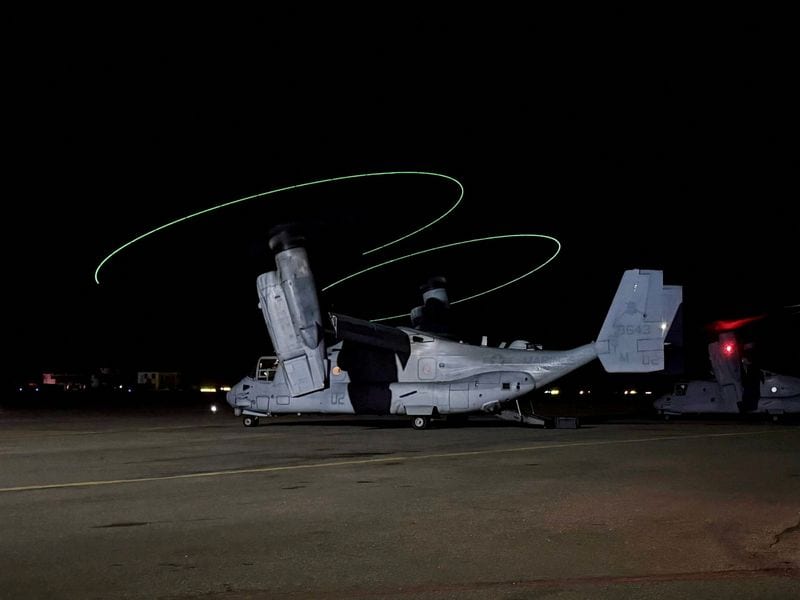
- Over 900 U.S. military personnel have been deployed to Venezuela for relief efforts.
- Four Venezuelan police officers were arrested for alleged looting.
- Damaged hospitals are struggling to cope with the medical crisis.
Two powerful earthquakes struck Venezuela's Caribbean coast last Wednesday, causing widespread devastation and a rising death toll. Over 1,700 people have officially died, with tens of thousands still missing following the twin quakes on June 24. Survivors are criticizing the government's response, describing it as slow, inadequate, and disorganized. Many citizens have formed their own rescue crews to supplement state efforts, alleging misconduct by some military and police personnel.
International aid efforts are underway, with Mexico's renowned Topos Azteca rescue brigade deploying to assist. The brigade is bringing specialized equipment, including body bags, as hopes of finding survivors fade. Additionally, over 900 U.S. military personnel have been deployed to Venezuela for earthquake relief, bringing assets for search-and-rescue operations and intelligence gathering.
Doctors in Venezuela are concerned about the spread of infectious diseases among earthquake survivors. This concern stems from crowded shelters, poor sanitation, and untreated wounds. The country is grappling with a significant medical crisis, with damaged hospitals struggling to cope. Amidst the ongoing rescue and recovery operations, four Venezuelan police officers have been arrested and face dismissal for allegedly looting cash from earthquake rubble. These arrests occur as public anger grows over the government's slow rescue efforts and alleged misconduct by officials.
Many citizens feel abandoned by their government, fueling public anger over the slow rescue efforts and alleged misconduct. The situation highlights a significant medical crisis with damaged hospitals struggling to cope.