Key facts
- Over 640,000 internally displaced Lebanese have returned home.
- A ceasefire agreement between Israel and Lebanon preceded the returns.
- Many returning Lebanese face widespread destruction and humanitarian challenges.
- Israeli forces struck approximately 10 Hezbollah infrastructure sites in southern Lebanon.
- Strikes targeted two buildings and a truck transporting weapons.
- One person was killed and four were injured in separate incidents.
- A senior Lebanese security official met with the head of Unifil.
- The meeting discussed the security situation along Lebanon's southern border.
- Unifil's mandate is set to expire at the end of 2026.
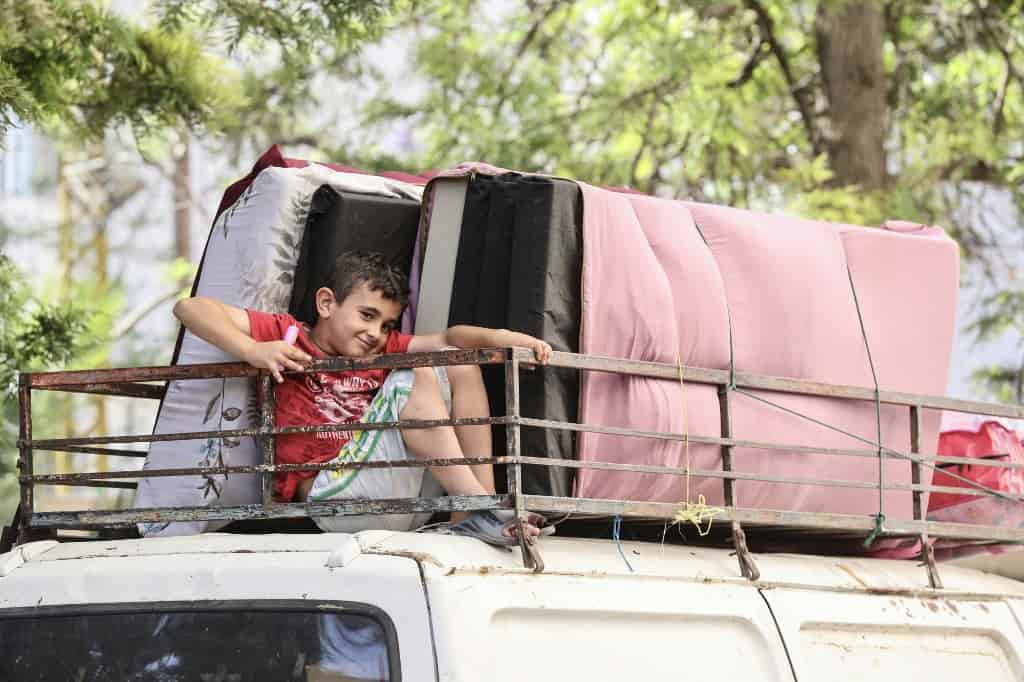
More than 640,000 internally displaced persons in Lebanon have begun returning to their communities following a ceasefire agreement between Israel and Lebanon. Despite the returns, many face widespread destruction and humanitarian challenges. The agreement has led to a significant movement of people back to their homes, though the scale of rebuilding and aid required remains substantial.
In related developments, Israeli forces conducted strikes on approximately 10 Hezbollah infrastructure sites in southern Lebanon. These strikes targeted two buildings and a truck that was reportedly transporting weapons. The military actions resulted in casualties, with one person killed and four injured in separate incidents.
Amidst these events, a senior Lebanese security official met with the head of the UN Interim Force in Lebanon (Unifil). The discussion focused on the security situation along Lebanon's southern border. Unifil's current mandate is scheduled to expire at the end of 2026, a factor that looms over ongoing security discussions and peacekeeping efforts in the region.