Key facts
- Over 646,000 internally displaced persons (IDPs) in Lebanon have returned to their communities following a ceasefire.
- Approximately 500,000 people remain displaced.
- Lebanese authorities reported around 4,300 deaths and over one million displaced due to Israeli attacks.
- Returning residents face widespread destruction, including flattened homes and damaged infrastructure.
- Lebanon's government is focusing on reconstruction and regional stabilization efforts.
- The number of citizens in public collective shelters dropped from 37,000 to 13,000.
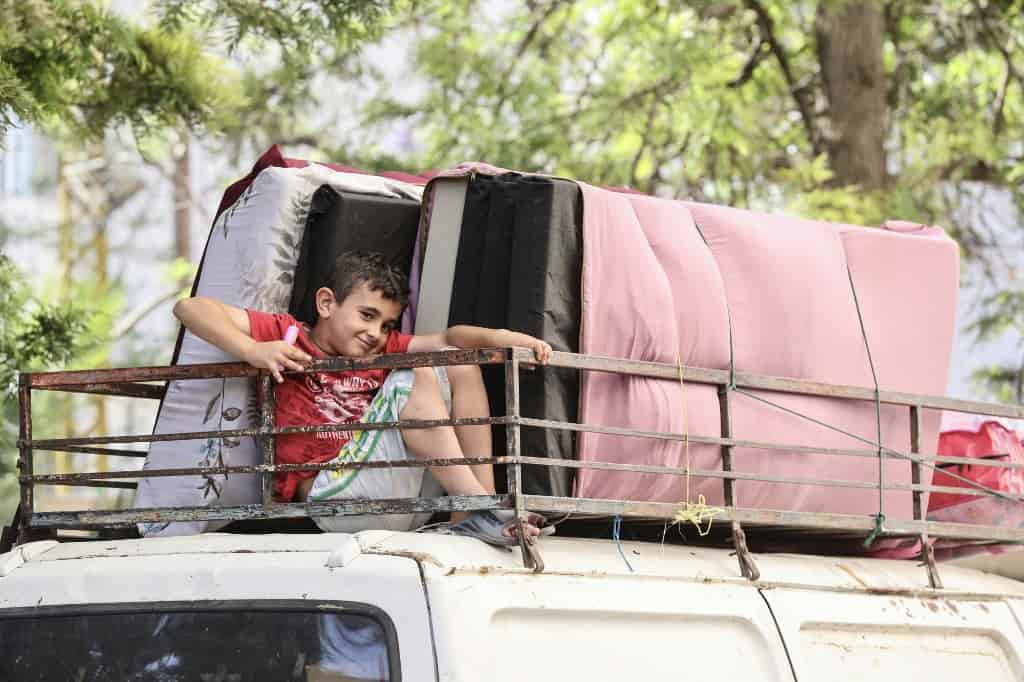
More than 646,000 internally displaced persons in Lebanon have begun returning to their communities following a ceasefire agreement that ended a 10-day conflict. The International Organization for Migration (IOM) reported this figure, noting that approximately 500,000 people remain displaced.
Lebanese authorities stated that Israeli attacks resulted in around 4,300 deaths and displaced over one million people, particularly from southern Lebanon and Beirut's southern suburbs. Residents returning to southern Lebanon, such as Mohammed Ashour and Hassan Najdi, encountered scenes of significant destruction, with homes flattened and infrastructure heavily damaged.
Despite warnings from the Lebanese army, Israel Defense Forces, and Hezbollah about ongoing dangers, thousands of Lebanese rushed back to their villages. The journey south was arduous, with long lines of cars and repaired infrastructure like the Qasmiyeh Bridge, which had been bombed hours before the ceasefire. Many expressed a strong desire to return to their land, regardless of the truce's duration.
Lebanon's Minister of Social Affairs, Haneen Sayed, confirmed the mass return, stating at least 400,000 displaced citizens had returned. This has led to a significant drop in the number of people in public shelters, with over 200 emergency facilities closed. However, some facilities remain open for families whose homes were completely destroyed.
Lebanon's government, under Finance Minister Yassine Jaber, is now shifting its focus to regional stabilization, prioritizing immediate reconstruction and recovery efforts. The estimated financial toll of the conflict since March is between $3–4 billion.