Key facts
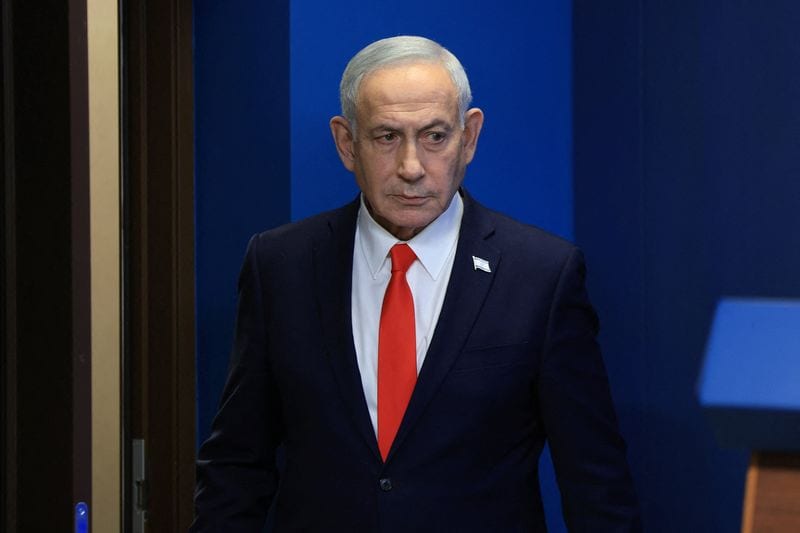
- Israeli Prime Minister Benjamin Netanyahu visited occupied southern Lebanon.
- Netanyahu stated Israel will not withdraw from southern Lebanon until the Hezbollah threat is removed.
- A planned Israeli withdrawal from two villages in southern Lebanon is delayed.
- Israeli Finance Minister Bezalel Smotrich called for Jewish settlements in Gaza.
- Smotrich stated the Israeli military controls approximately 70% of Gaza.
- Preparations for three Jewish settlements in Gaza are complete and await government approval.
- Israel is reportedly shifting its strategic focus towards Turkey.
- Israel views Turkey as an existential enemy and part of a new 'Sunni axis' with Syria and Qatar.
- An Israeli drone strike north of Khan Younis killed two Palestinians.
- Several other Palestinians were injured in the drone strike.
- The drone strike targeted a group inspecting damaged homes.
- Turkiye and Arab nations condemned Israeli incursions into southern Syria.
Israeli Prime Minister Benjamin Netanyahu visited occupied southern Lebanon and declared that Israel will not withdraw from the region until the threat posed by Hezbollah is eliminated. This stance has led to a delay in the planned withdrawal from two villages, which is now contingent on a US-overseen mechanism. In parallel, Israeli Finance Minister Bezalel Smotrich has advocated for the establishment of Jewish settlements within the Gaza Strip. He stated that Israeli military forces currently control approximately 70% of Gaza and indicated that preparations for three settlements are finalized, awaiting government approval.
Regional dynamics are shifting, with reports suggesting Israel is reorienting its strategic priorities to focus on Turkey, identifying it as an existential threat and part of a new 'Sunni axis' that includes Syria and Qatar. This development occurs against a backdrop of regional instability fueled by conflicting US-brokered agreements involving Iran and Lebanon. In southern Gaza, an Israeli drone strike north of Khan Younis resulted in the deaths of two Palestinians and injuries to several others, according to Wafa news agency. The targeted group was reportedly inspecting damaged homes, and the incident took place amidst ongoing conflict and a reported ceasefire.
Further complicating the regional picture, Turkiye and several Arab nations, including Saudi Arabia, Qatar, Kuwait, and the UAE, have issued condemnations of Israeli incursions into southern Syria. These nations cited violations of Syrian sovereignty and international law. Syrian President Ahmed al-Sharaa also denounced the attacks, warning against foreign ambitions and reaffirming Syria's commitment to its territorial integrity. In Lebanon, hundreds of thousands of internally displaced persons have begun returning to southern Lebanon, prompted by a temporary cessation of hostilities between Israel and Hezbollah. However, a significant number of individuals remain stranded, unable to return due to homes being destroyed or rendered uninhabitable. Authorities are currently assessing the full extent of the displacement crisis.
Adding to the evolving regional landscape, the UAE has announced the lifting of its travel ban to Lebanon, effective June 29, 2026. The ban, initially imposed in April, was a response to regional developments, including the ongoing Middle East war and concerns regarding Iran's influence.