Key facts
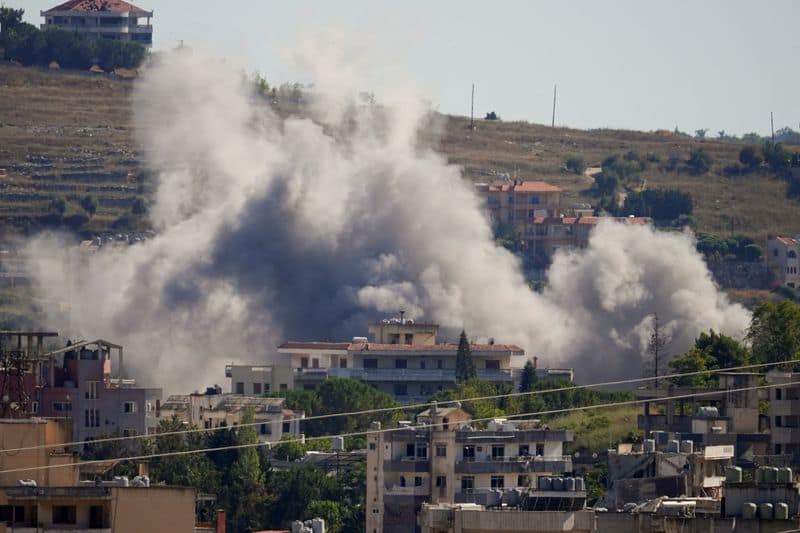
- Israeli airstrikes have caused widespread devastation in Tyre, Lebanon.
- Heritage sites and hospitals in Tyre have been damaged.
- Lebanon's Ministry of Public Health reported 4,106 killed and 12,153 wounded by Israeli attacks between March 2 and June 21, 2026.
- Hundreds of women, children, and medical workers are among the casualties.
- Conservationist Mona Khalil, 76, died from wounds sustained in an Israeli strike.
- Israel lifted all war-related restrictions on its northern border areas on June 22, 2026.
- Israel will maintain a security zone in southern Lebanon.
- Hezbollah vowed to respond to any Israeli violation of the security zone.
- Iran's IRGC commander warned of 'humiliation and defeat' if Israel does not withdraw.
- Israel may partially withdraw from southern Lebanon under U.S. supervision.
- Displaced residents returned to Nabatieh to inspect damage after fighting halted.
Israeli airstrikes have inflicted significant damage across Lebanon, with the ancient coastal city of Tyre experiencing widespread devastation, leaving swathes of the city in ruins and disrupting daily life. Heritage sites and hospitals have been damaged, contributing to a climate of fear among residents despite a new ceasefire. The Ministry of Public Health in Lebanon reported that Israeli attacks between March 2 and June 21, 2026, resulted in at least 4,106 deaths and 12,153 injuries. These casualties include hundreds of women, children, and medical workers. Among the victims was Mona Khalil, a 76-year-old Lebanese conservationist, who died in Beirut from wounds sustained in an Israeli strike on her home. Khalil had dedicated over two decades to protecting sea turtles along Lebanon's southern coast.
In parallel with the strikes, Israel announced on Monday, June 22, 2026, the lifting of all war-related restrictions on its northern border areas with Lebanon, signaling a return to full activity for border communities following a winding down of recent fighting. However, Israel intends to maintain a security zone in southern Lebanon. Defense Minister Israel Katz stated that Israeli soldiers can operate without restriction against perceived threats within this zone. Hezbollah has issued warnings of retaliation for any Israeli violations of Lebanese territory. The IRGC commander from Iran has also cautioned Israel against not withdrawing from Lebanon, warning of "humiliation and defeat."
Amidst these developments, diplomatic efforts are underway that could lead to a partial Israeli withdrawal from southern Lebanon. According to Haaretz, representatives from Israel and Lebanon are expected to engage in discussions regarding specific areas that might be transferred to the control of the Lebanese army. These potential transfers would occur under the supervision of the United States. Displaced residents have begun returning to areas like Nabatieh to assess the damage to their homes and businesses after Israel halted fighting in southern Lebanon, with some expressing relief at the cessation of hostilities, even while surveying destruction.
These ongoing military actions and diplomatic maneuvers occur within a context of heightened regional tensions. The maintenance of a security zone and the potential for further withdrawals highlight the complex and volatile security situation along the Israel-Lebanon border. The involvement of the U.S. in potential oversight of area transfers underscores the international dimension of the conflict.