Key facts
- Israeli airstrikes have devastated Tyre, Lebanon.
- Heritage sites and hospitals in Tyre have been damaged.
- Lebanon's Ministry of Public Health reported 4,106 killed and 12,153 wounded due to Israeli attacks between March 2 and June 21, 2026.
- Hundreds of women, children, and medical workers are among the casualties.
- Conservationist Mona Khalil, 76, died from wounds sustained in an Israeli strike.
- Mona Khalil dedicated over two decades to protecting sea turtles.
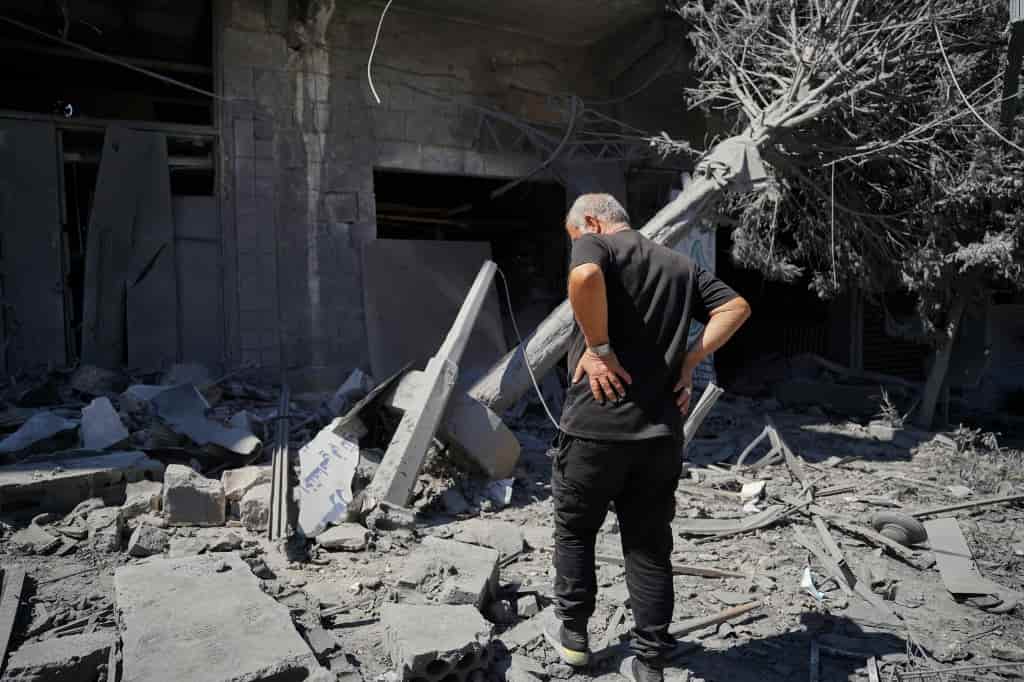
- Displaced residents returned to Nabatieh to inspect damage after fighting halted.
- Israel lifted all war-related restrictions on its northern border areas effective June 22, 2026.
- Border communities will return to full activity levels.
- One resident stated the city's destruction was bearable compared to the presence of Israeli forces.
Israeli airstrikes have inflicted severe damage across Lebanon, with the ancient coastal city of Tyre experiencing widespread devastation and disruption to daily life. Residents in Tyre live in fear despite a new ceasefire, as heritage sites and hospitals have been damaged. The conflict has resulted in a significant death toll, with Lebanon's Ministry of Public Health reporting at least 4,106 killed and 12,153 wounded due to Israeli attacks between March 2 and June 21, 2026. These casualties include hundreds of women and children, as well as medical workers.
In a notable incident, Lebanese conservationist Mona Khalil, 76, died from wounds sustained in an Israeli strike on her home. Khalil had dedicated over two decades to protecting sea turtles along Lebanon's southern coast. Meanwhile, displaced residents have begun returning to Nabatieh to assess the damage to their properties following Israel's order to halt fighting in southern Lebanon. One resident described the city's destruction as bearable in comparison to the presence of Israeli forces.
In parallel developments, Israel announced the lifting of all war-related restrictions on its northern border areas with Lebanon, effective Monday, June 22, 2026. This move signals a return to full activity levels for border communities after a winding down of recent fighting. The ongoing conflict and its aftermath continue to impact civilian life, infrastructure, and humanitarian efforts across affected regions.