Key facts
- Shipping traffic in the Strait of Hormuz is expected to take months to return to normal.
- A cargo ship named Arista has been stuck in the Strait of Hormuz since March.
Shipping traffic in the Strait of Hormuz is expected to take months to recover, even after a peace deal, according to French firm CMA CGM. Maritime monitor TankerTrackers.com identified a cargo ship, the Arista, as being stuck in the strait since March, not recently grounded as reported by Iranian state media. Transport unions have maintained the Strait of Hormuz as a "Warlike Operations Area" until July 9 due to ongoing risks, meaning seafarers will receive double pay. Additionally, the European Union Aviation Safety Agency has extended its advisory for airlines to avoid airspace over Iran, Iraq, and Lebanon until July 8 due to potential escalation risks.
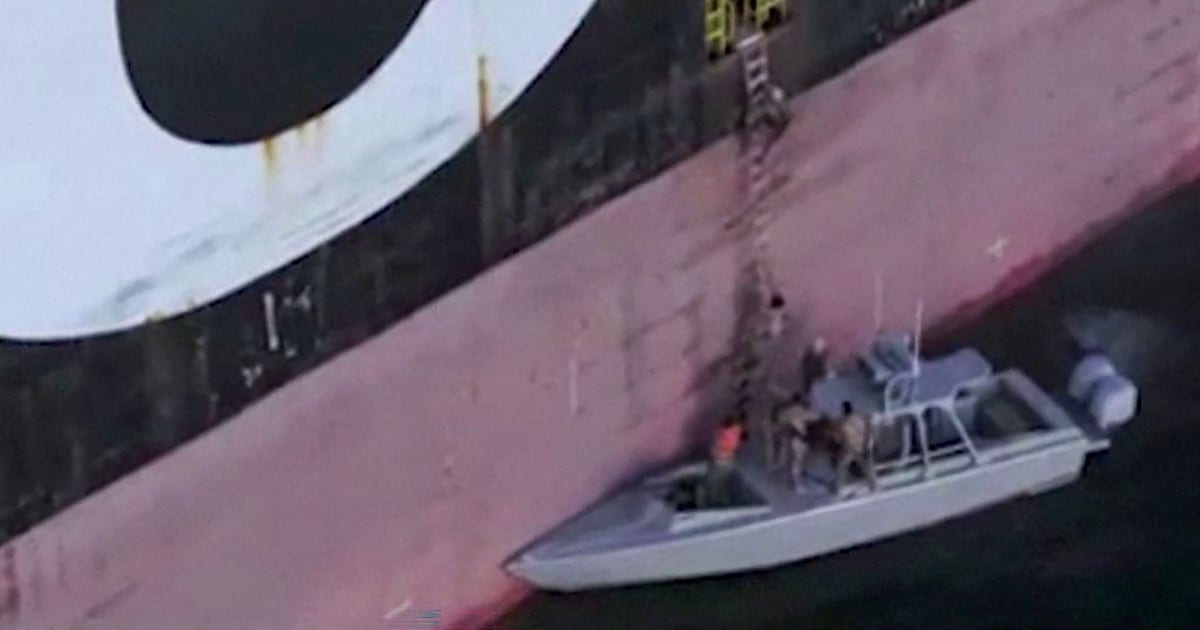
Shipping traffic in the Strait of Hormuz is anticipated to require months to return to normal, even following a peace agreement, according to French shipping company CMA CGM. The ongoing situation has resulted in substantial vessel backlogs and increased insurance expenses. Maritime monitor TankerTrackers.com has clarified that a foreign cargo ship, identified as the Arista, has been stuck in the Strait of Hormuz since March. This contradicts reports from Iranian state media that suggested a recent grounding. The Arista is flagged in Comoros but is managed by an operation linked to an Iranian oil magnate.
In parallel, transport unions have decided to keep the Strait of Hormuz classified as a "Warlike Operations Area" through July 9, citing persistent significant risks to seafarers' lives. Mariners serving on vessels operating within this designated region will be compensated with double pay. Meanwhile, the European Union Aviation Safety Agency (EASA) has issued a warning to airlines, advising them to continue avoiding airspace over Iran, Iraq, and Lebanon. This advisory is in effect until July 8, stemming from concerns about potential escalation risks in the aftermath of a US-Iran ceasefire.
The classification of the Strait of Hormuz as a "Warlike Operations Area" highlights the ongoing security concerns for maritime personnel in the region. The extended advisory from EASA underscores the broader regional instability, impacting not only maritime but also air travel routes. The prolonged recovery time for shipping traffic, as indicated by CMA CGM, suggests that the economic and logistical impacts of recent events will be felt for an extended period.
Shipping traffic in the Strait of Hormuz is anticipated to require months to return to normal, even following a peace agreement, according to French shipping company CMA CGM. The ongoing situation has resulted in substantial vessel backlogs and increased insurance expenses. Maritime monitor TankerTrackers.com has clarified that a foreign cargo ship, identified as the Arista, has been stuck in the Strait of Hormuz since March. This contradicts reports from Iranian state media that suggested a recent grounding. The Arista is flagged in Comoros but is managed by an operation linked to an Iranian oil magnate.