Key facts
- An Israeli airstrike in Beirut's Dahiyeh district killed at least three people and wounded 15.
- Israel stated the strikes targeted Hezbollah infrastructure in response to Hezbollah attacks.
US President Donald Trump stated that an Israeli strike on Beirut's southern suburbs "should not have happened," warning it could disrupt a nearing peace deal with Iran. The strike killed at least three people and wounded 15, prompting Iran's top negotiator to question U.S. commitment to peace efforts.
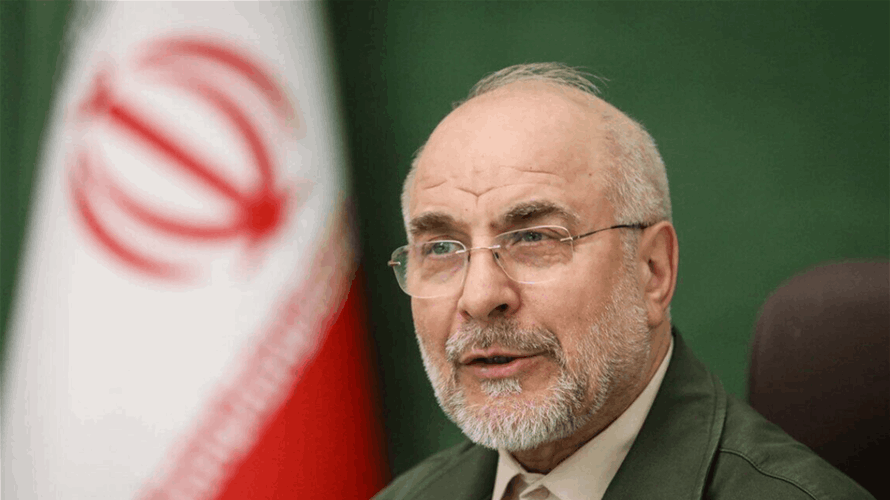
The escalating tensions between Israel and Iran, coupled with potential disruptions to a US-brokered peace deal, raise concerns about regional stability and the future of Iran's nuclear program.
An Israeli airstrike in Beirut's Dahiyeh district killed at least three people and wounded 15, prompting Iran's top negotiator to question the United States' commitment to peace efforts and cast doubt on a potential US-Iran framework agreement. Israel stated the strikes targeted Hezbollah infrastructure in response to Hezbollah launching projectiles towards northern Israel. US President Donald Trump called out the attack, stating it should not have happened as a peace deal with Iran was nearing, and urged both sides to stand down.
The escalation threatens a potential US-Iran truce, with Iran insisting any deal must halt Israeli attacks on Lebanon. A senior Iranian military official warned that the strikes would not go unanswered. Unidentified diplomats involved in the talks indicated the Israeli strikes were complicating efforts to finalize the US-Iran deal.
Draft terms of the potential agreement suggest the US would release $25 billion in frozen Iranian assets, while Iran would agree not to produce or acquire nuclear weapons. The signing of the framework agreement, initially expected on Sunday, has been cast into doubt due to the recent escalation and ongoing reviews by Iran.