Key facts
- A Chinese organization suspected of fentanyl precursor exports is linked to large-scale cryptocurrency fraud operating from Japan.
- The group allegedly used Japanese internet domains and a fake 'Zksync.jp' token to defraud crypto users.
- Funds were moved through accounts tied to entities under U.S. sanctions, indicating a money-laundering operation.
- Hubei Amarvel Biotech executives were convicted in the U.S. for fentanyl precursor trafficking.
- The fraudulent 'Zksync.jp' token scheme resulted in losses upward of $1 million.
- Japanese domains were used as cover for illicit activities due to their international credibility.
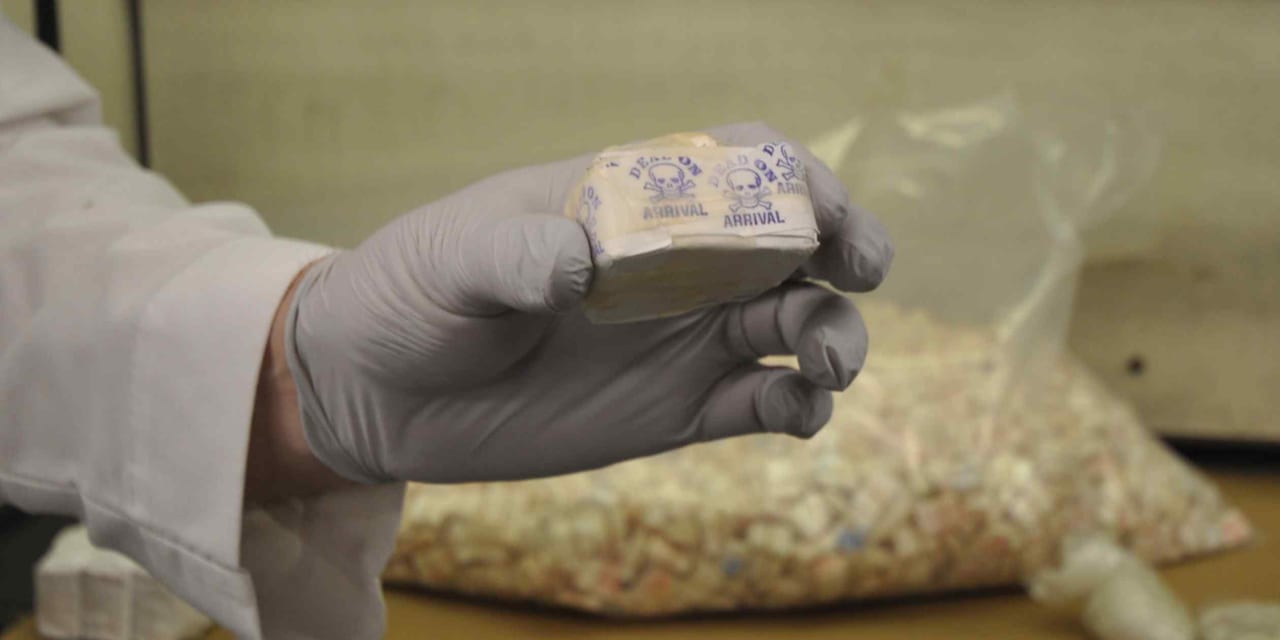
A Chinese organization suspected of illegally exporting fentanyl precursor chemicals has also been linked to a large-scale cryptocurrency fraud operation based in Japan, according to a Nikkei investigation. The group allegedly utilized Japanese internet domains and a fraudulent token, 'Zksync.jp', to deceive cryptocurrency users, moving funds through accounts associated with entities under U.S. sanctions.
Hubei Amarvel Biotech, a chemical manufacturer based in Wuhan, is central to the findings. Two of its executives were convicted in February 2025 in a Manhattan federal court for conspiring to import fentanyl precursors into the U.S. Amarvel's Japanese front company, Firsky, a Nagoya-based entity, reportedly served as an operational hub directed by Xia Fengzhi, identified as the 'boss in Japan.' Firsky was liquidated in July 2024, and Xia's current whereabouts are unknown.
Blockchain analysis traced suspicious transactions from October 2022 onward, connecting the network to Chinese financial fraud groups. The 'Zksync.jp' token, which mimicked a legitimate Ethereum Layer 2 service, was issued in 2023 and contributed to losses exceeding $1 million, affecting victims in Japan and elsewhere. The domain's registration required a Japanese address, and its registrant is reportedly a Chinese national in Hong Kong with close financial ties to Amarvel.
Blockchain forensics firm Chainalysis indicated that such setups, using credible Japanese domains, are common money-laundering tactics. The investigation also identified over 120 transactions with entities blacklisted by the U.S. Treasury, including those linked to the Wuhan Yuancheng Group, led by Chuen Fat Yip, who is accused of running a transnational drug operation. Experts suggest Japan's open financial system and heavy cross-border trade make it an attractive location for disguising illicit proceeds.