Key facts
- Tens of thousands marched in Budapest's 31st annual Pride parade.
- This was the first Pride march since Viktor Orbán's government was ousted in April.
- The march proceeded after a previous ban on the event was lifted.
- Participants expressed optimism for expanded LGBTQ+ rights under the new government.
- Hungary's previous government had implemented anti-LGBTQ+ policies and sought to ban Pride.
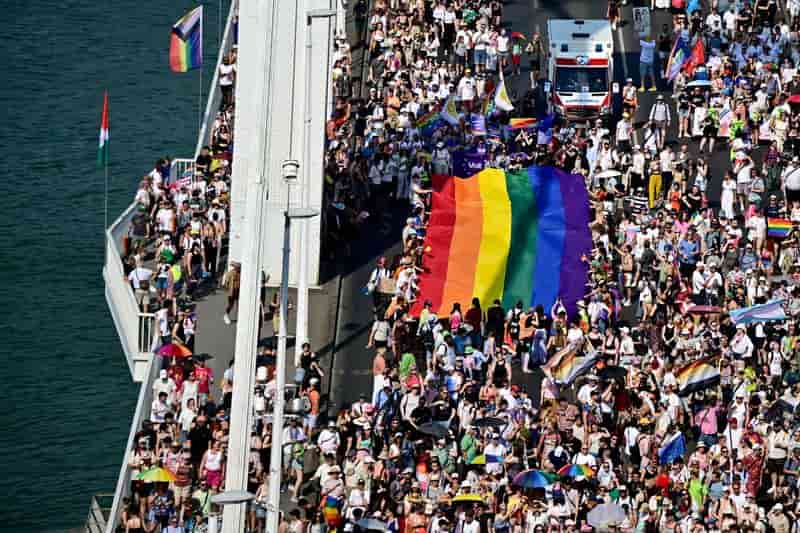
Tens of thousands of people gathered in Budapest for the 31st annual Budapest Pride march, the first since the ousting of former Prime Minister Viktor Orbán, whose government had sought to ban the event. Participants marched in soaring temperatures, expressing optimism for expanded LGBTQ+ rights under the new administration.
Last year's Pride march proceeded in defiance of a ban, becoming a large anti-government demonstration and seen as a blow to Orbán's prestige. Following Orbán's defeat in the April election by Prime Minister Péter Magyar, police authorized this year's event and provided security. Attendees noted a more relaxed atmosphere and expressed hope for legislative changes regarding same-sex adoption and marriage.
Orbán's government had previously enacted legislation and constitutional amendments targeting LGBTQ+ rights, which drew criticism from the European Union. The EU's highest court ruled that a 2021 law banning LGBTQ+ content to minors violated EU law.